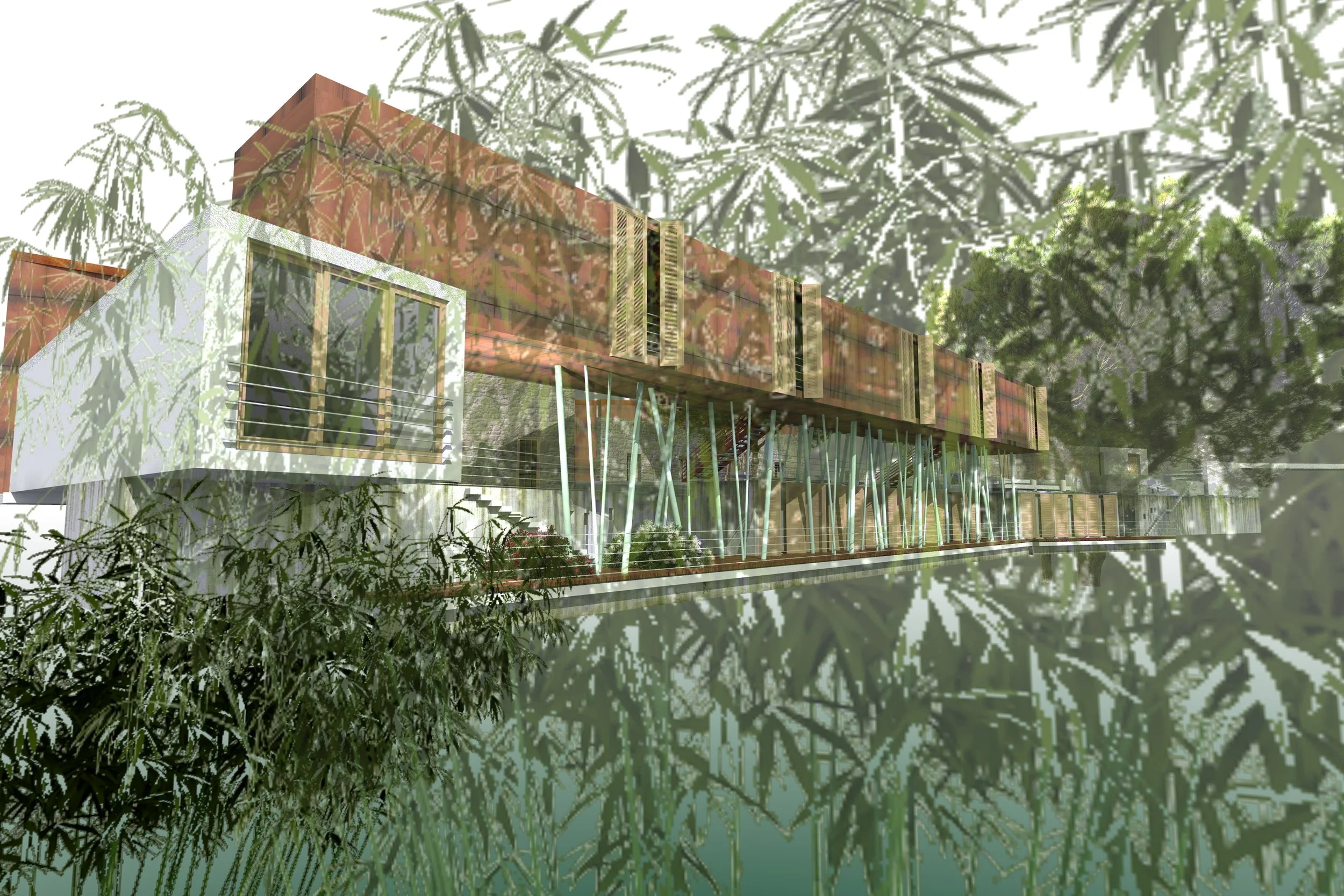
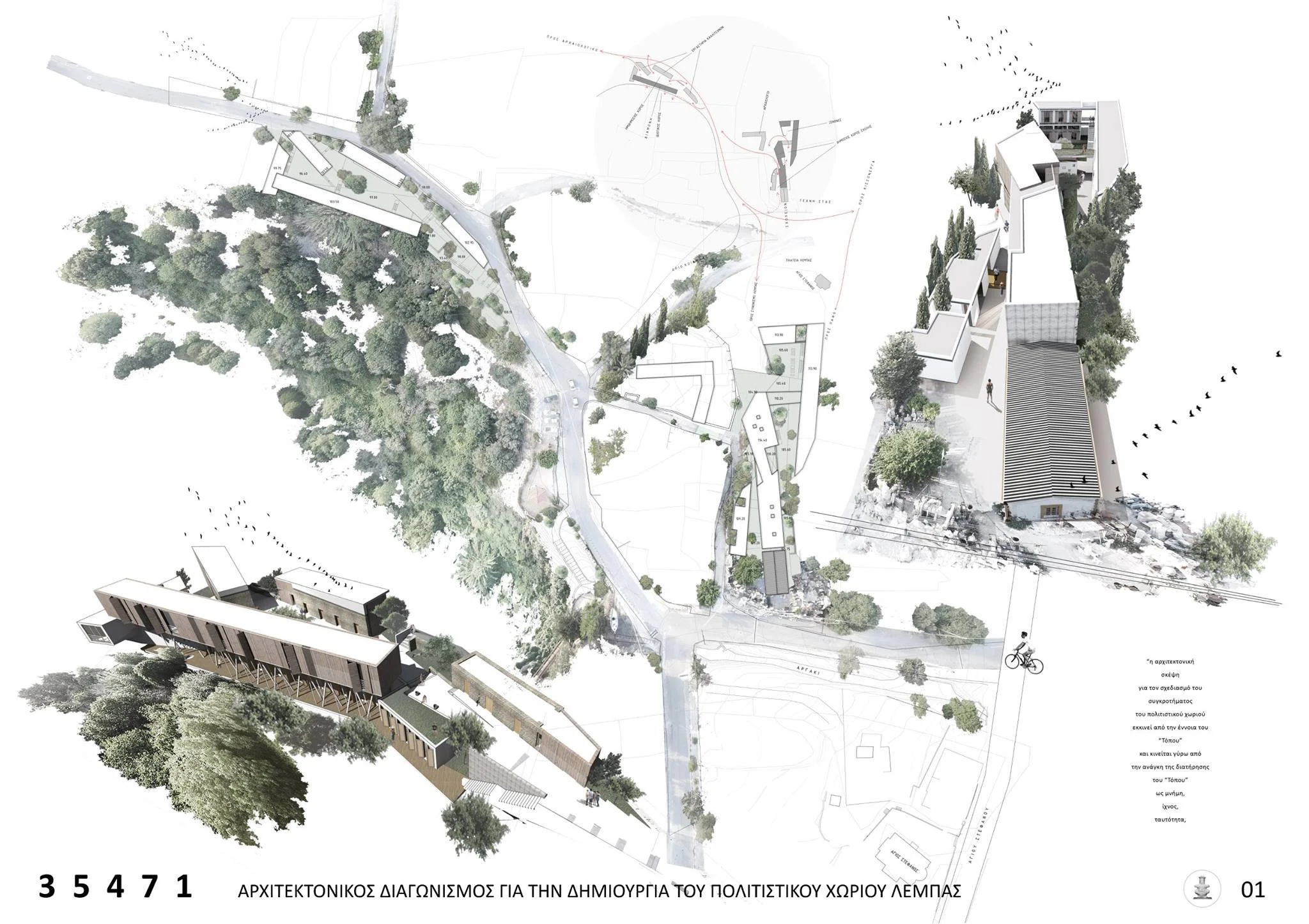
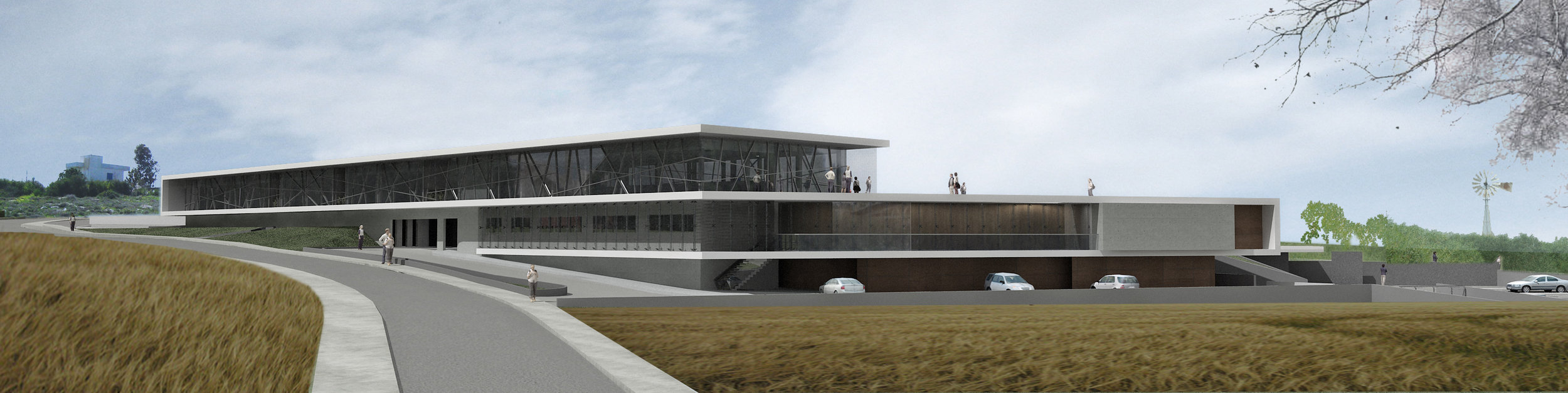
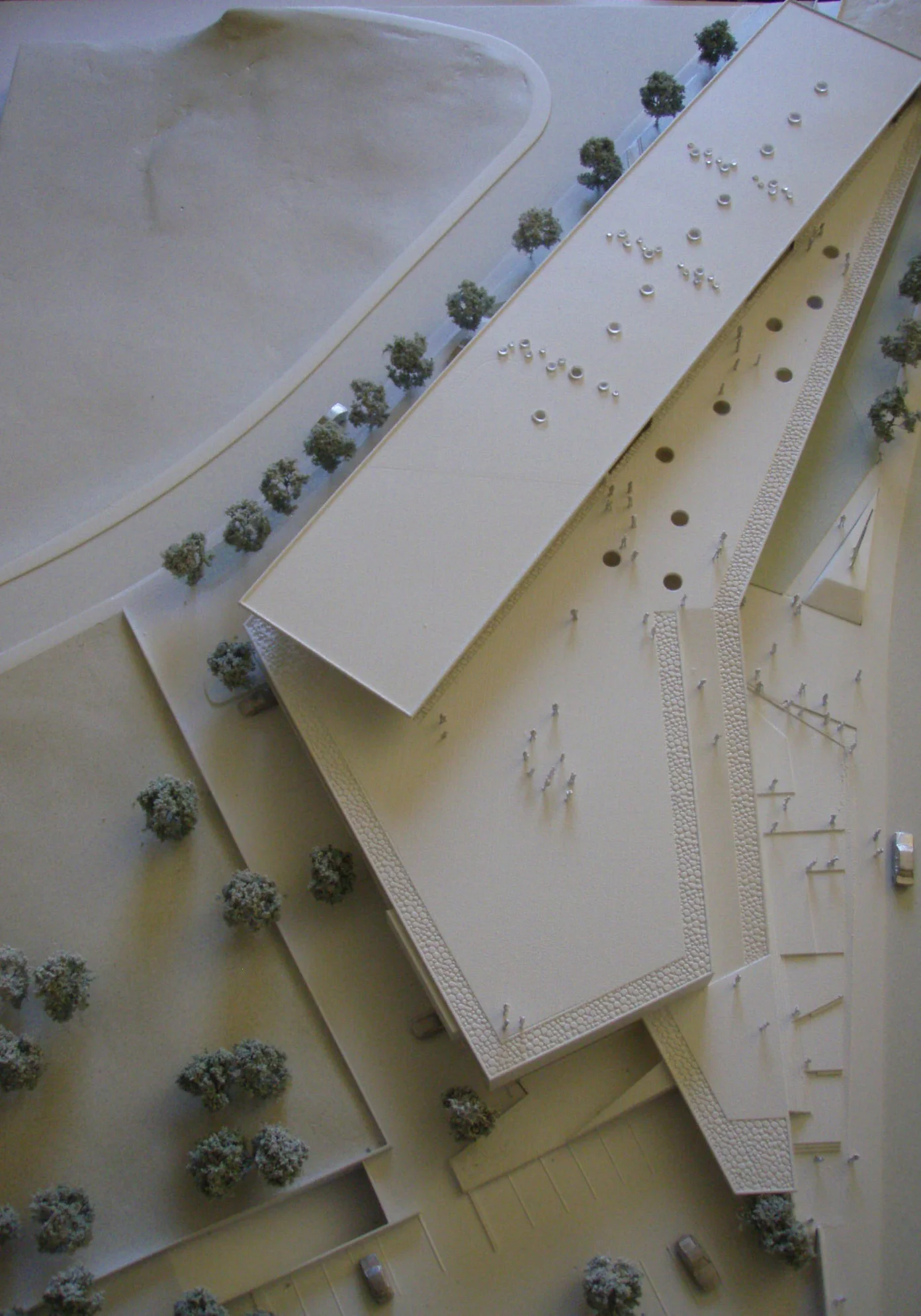
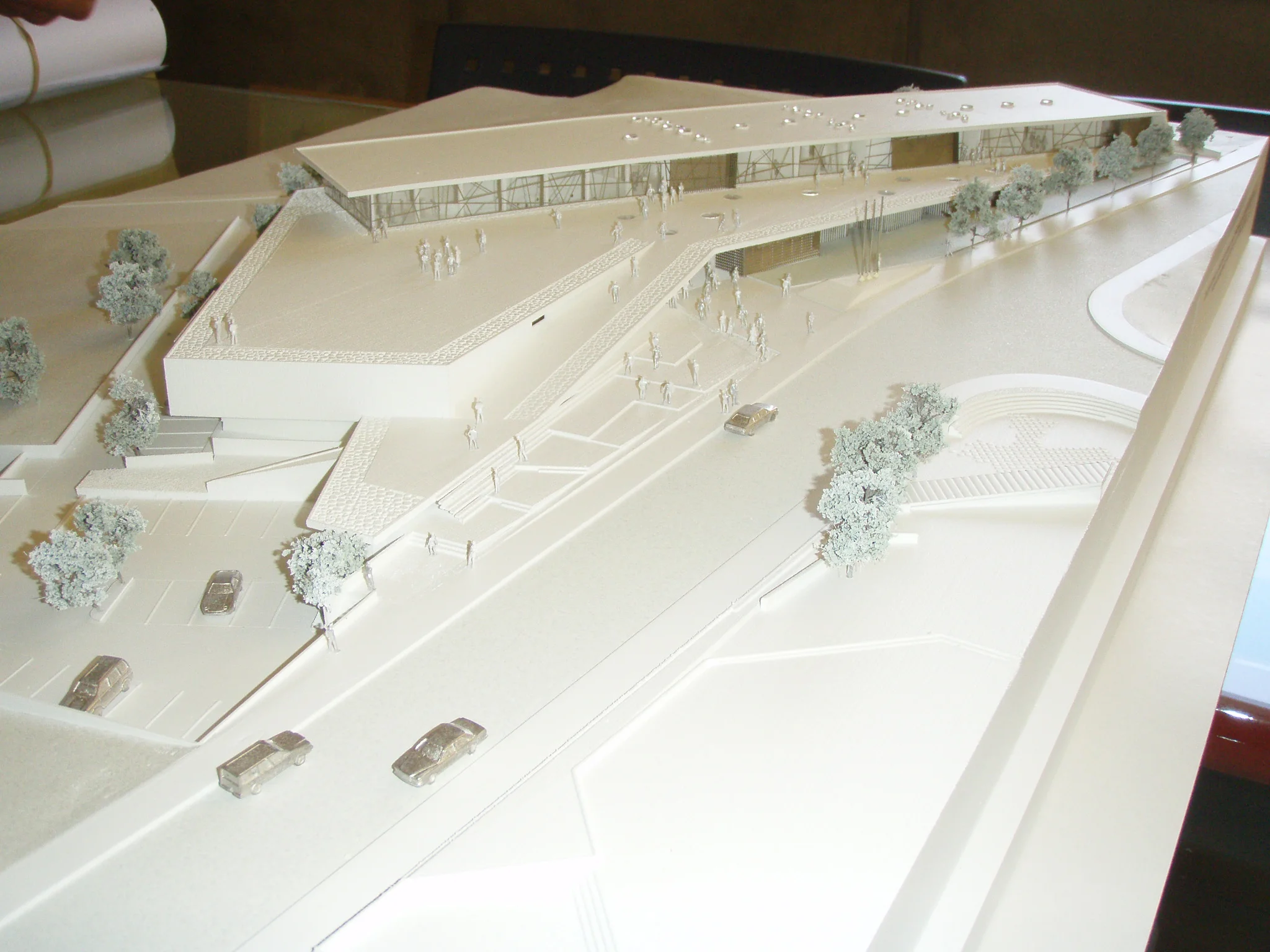
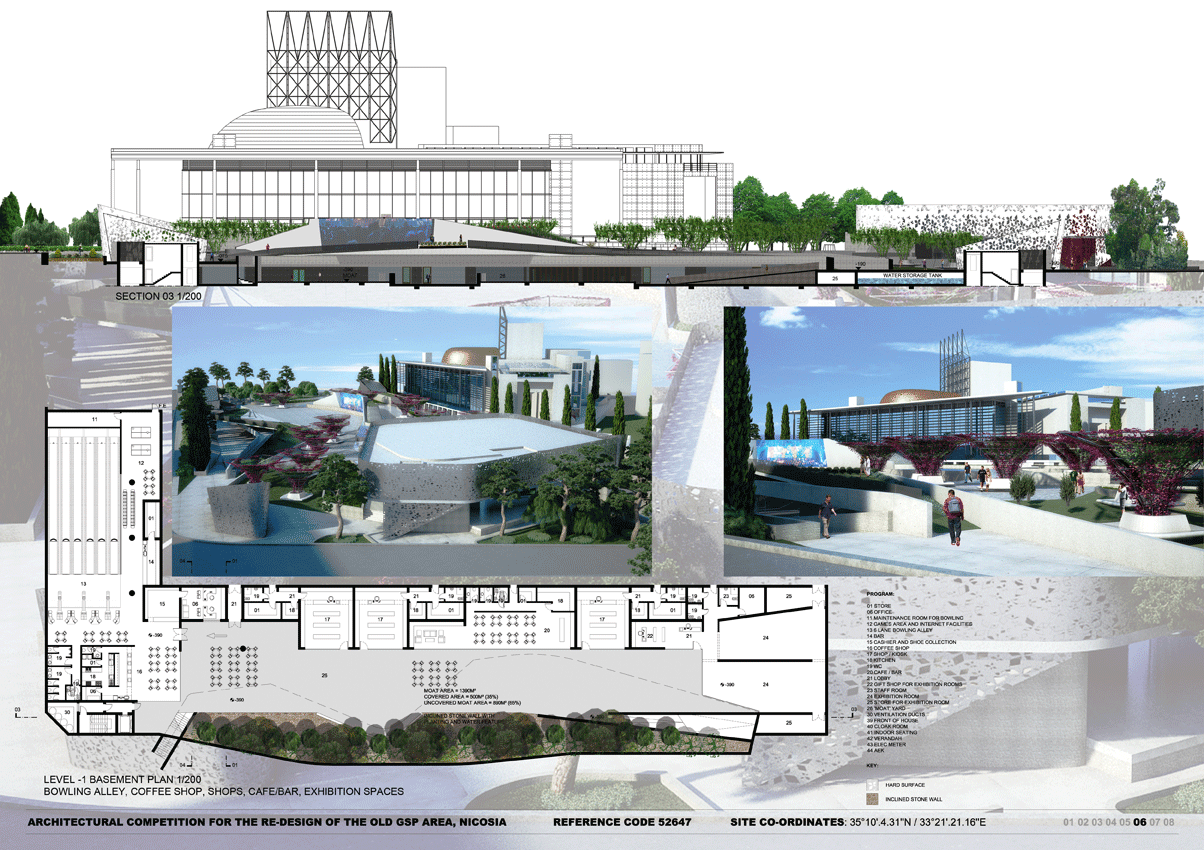
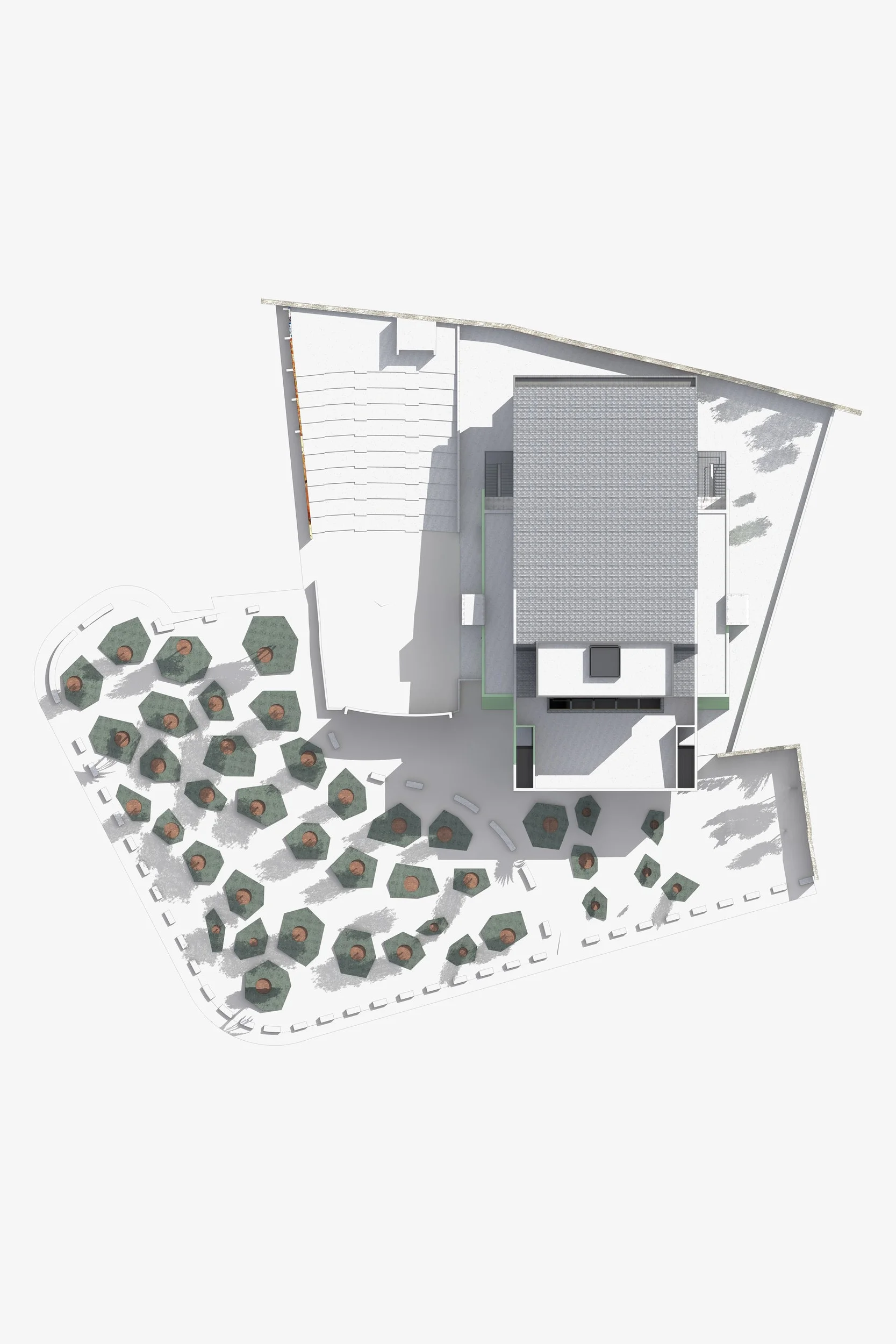
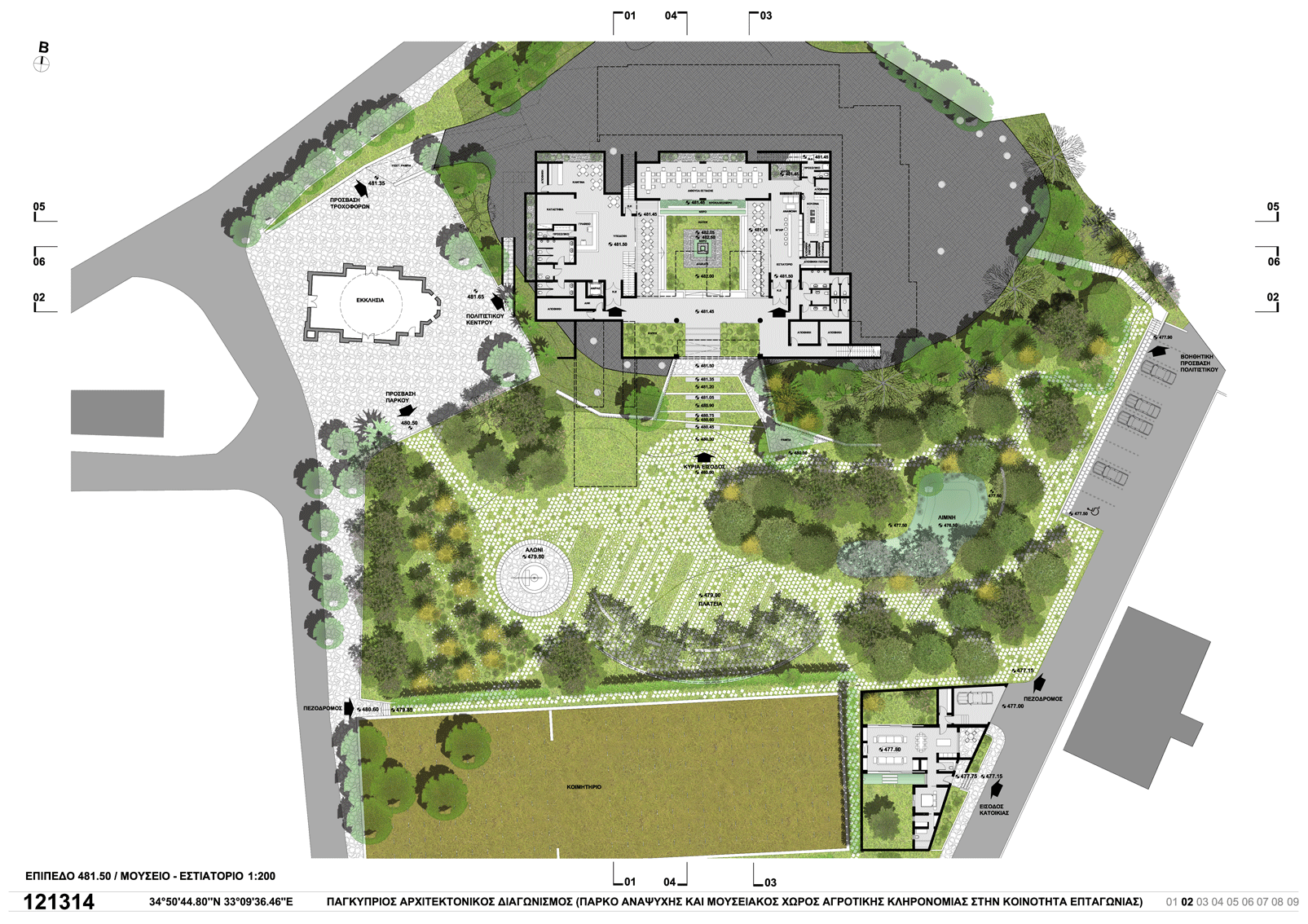
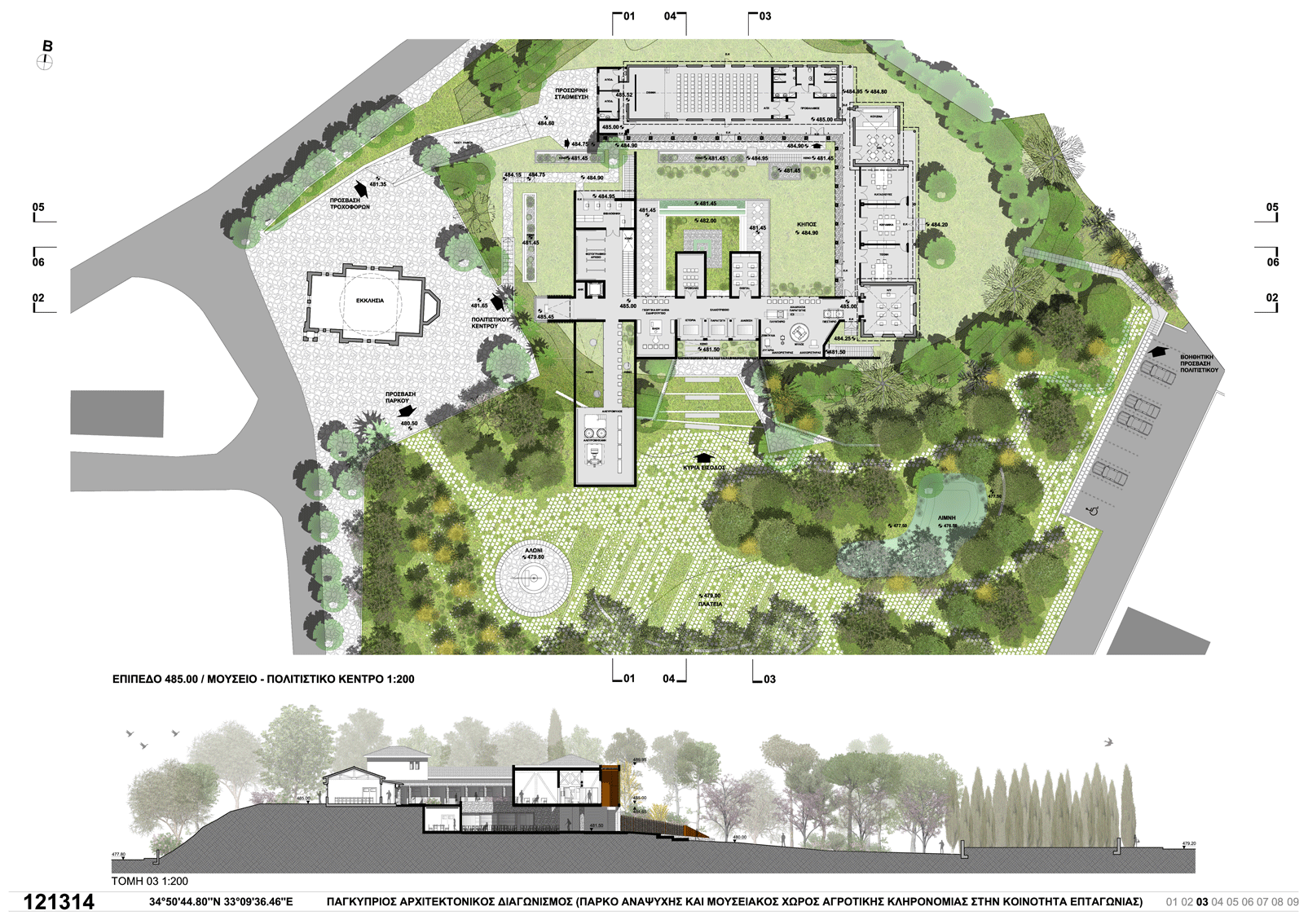
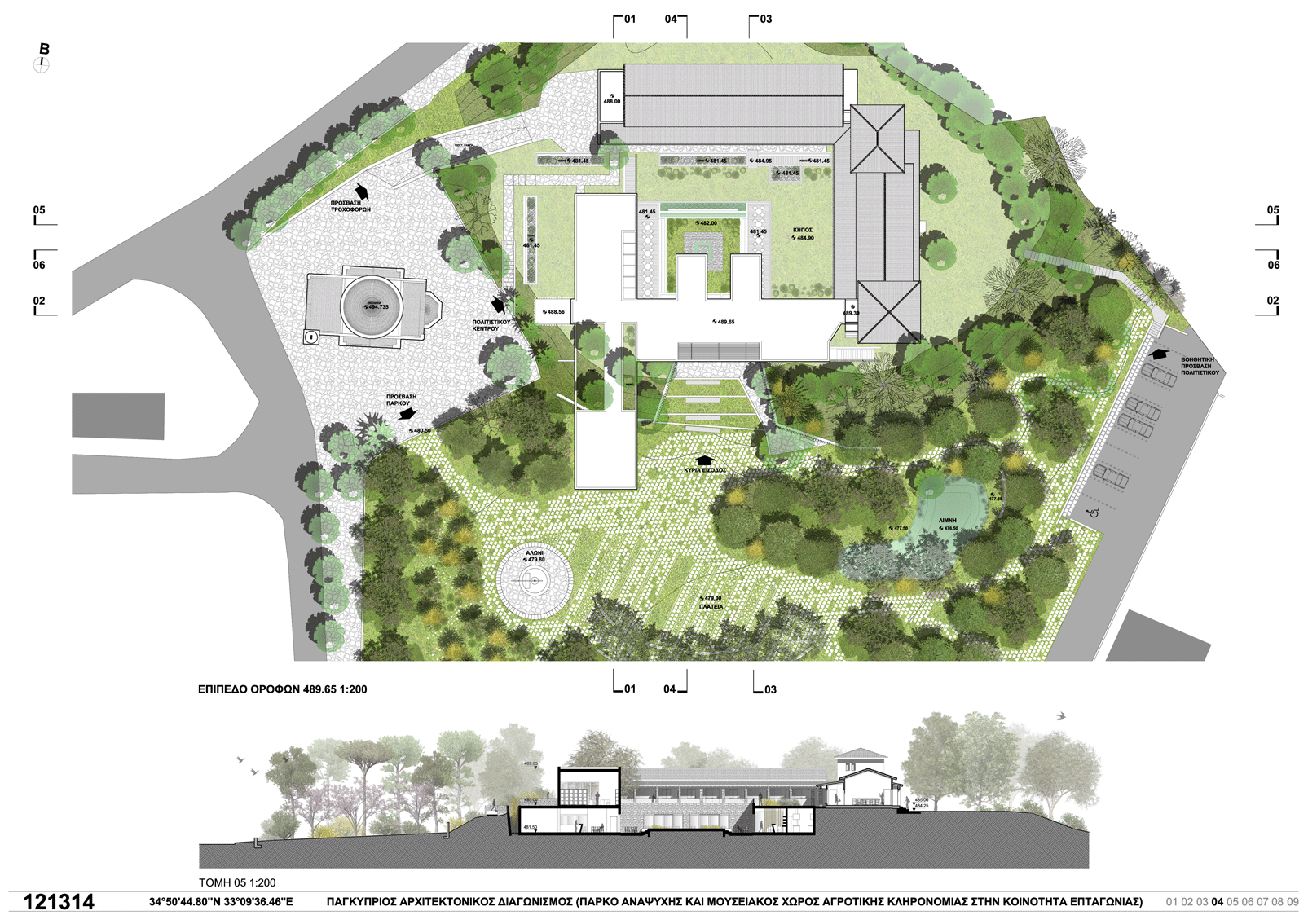
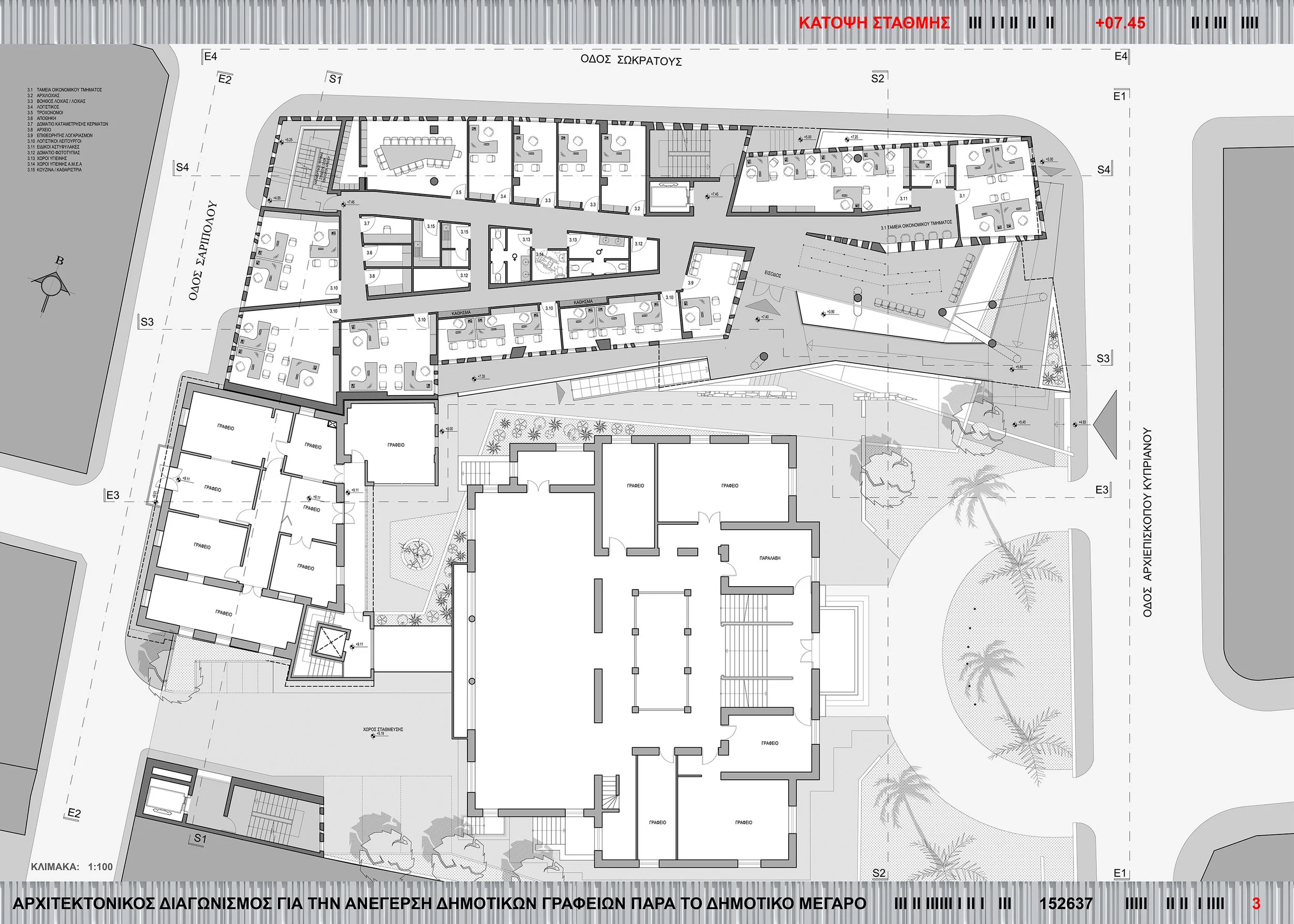
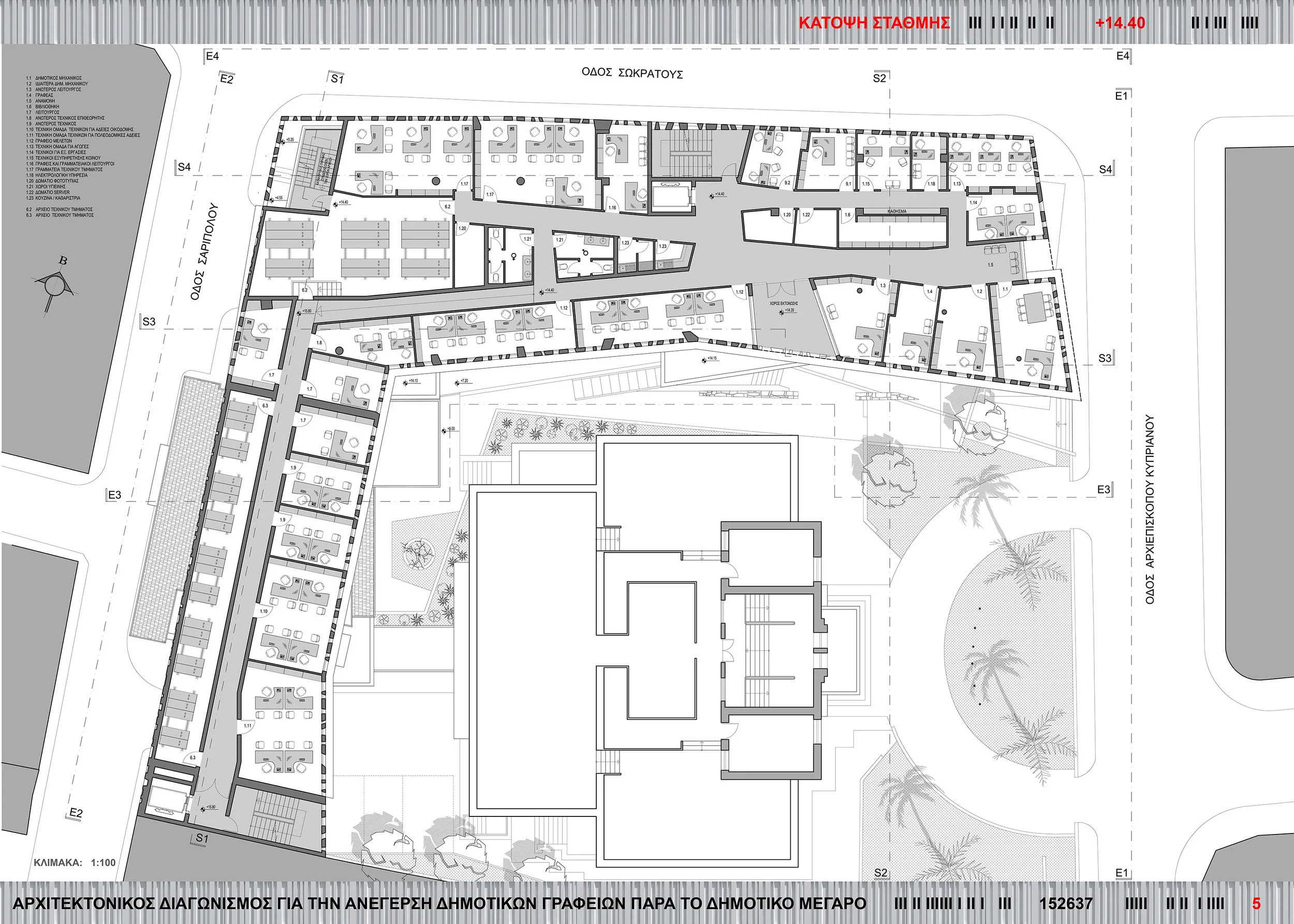
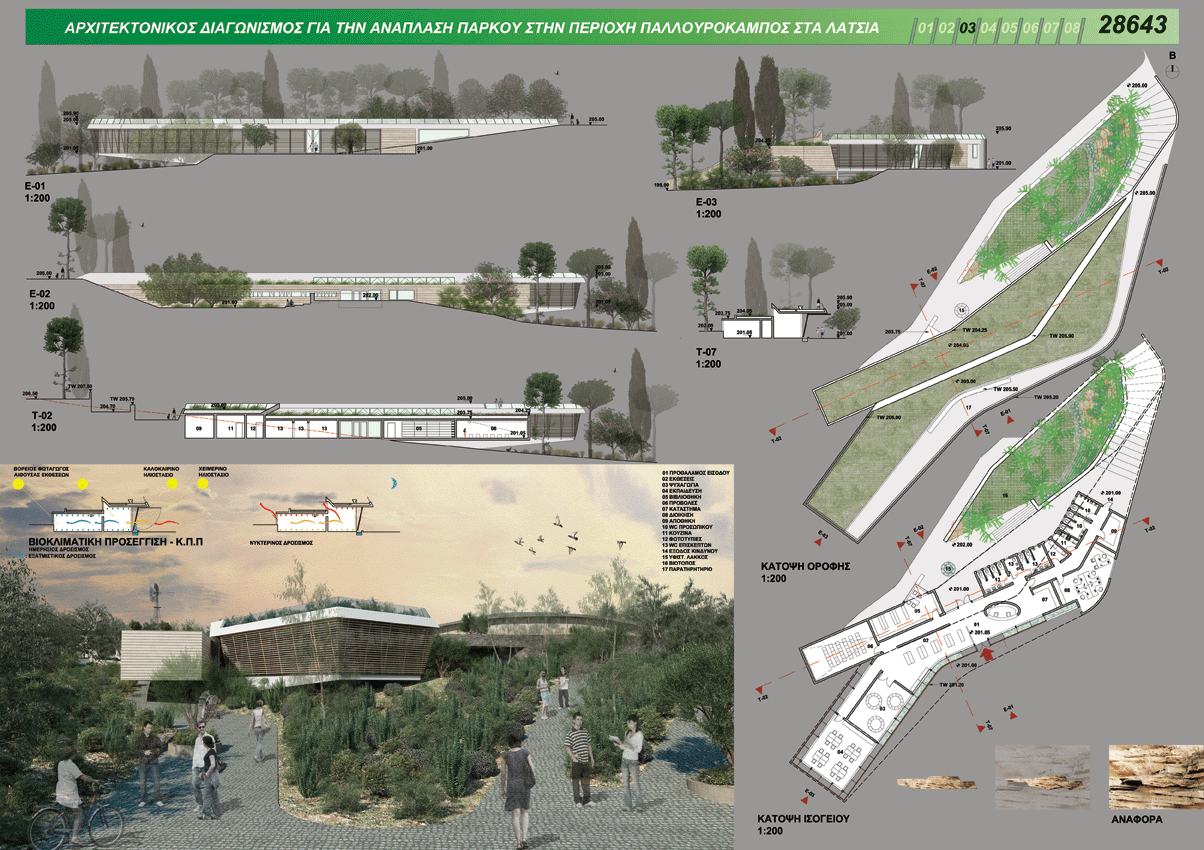
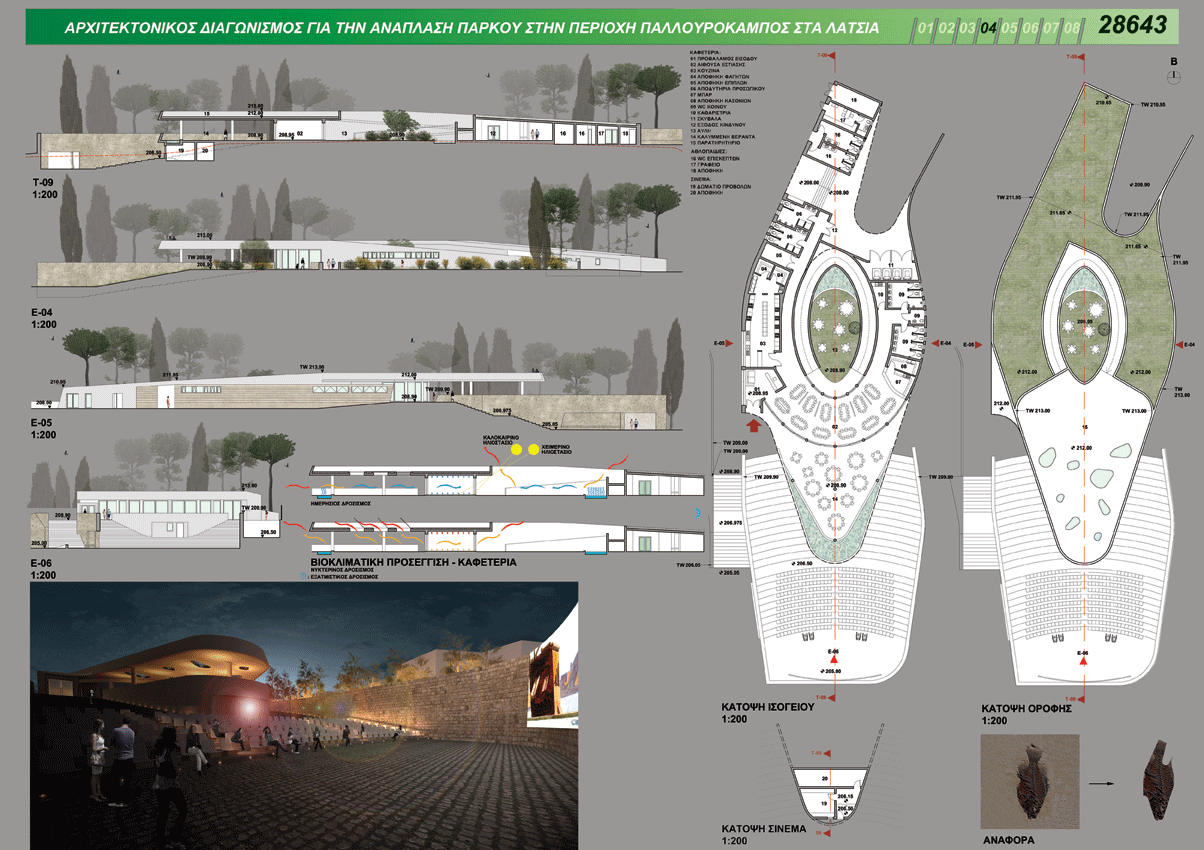
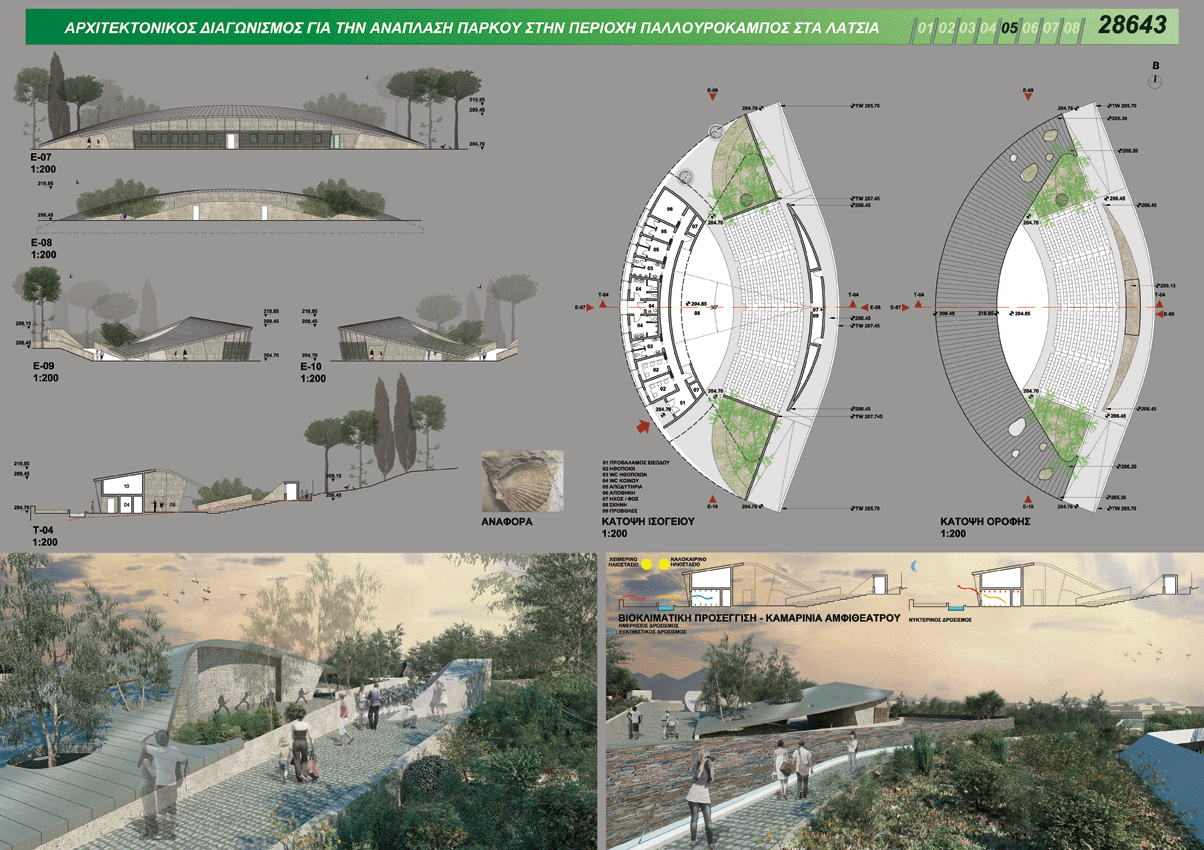
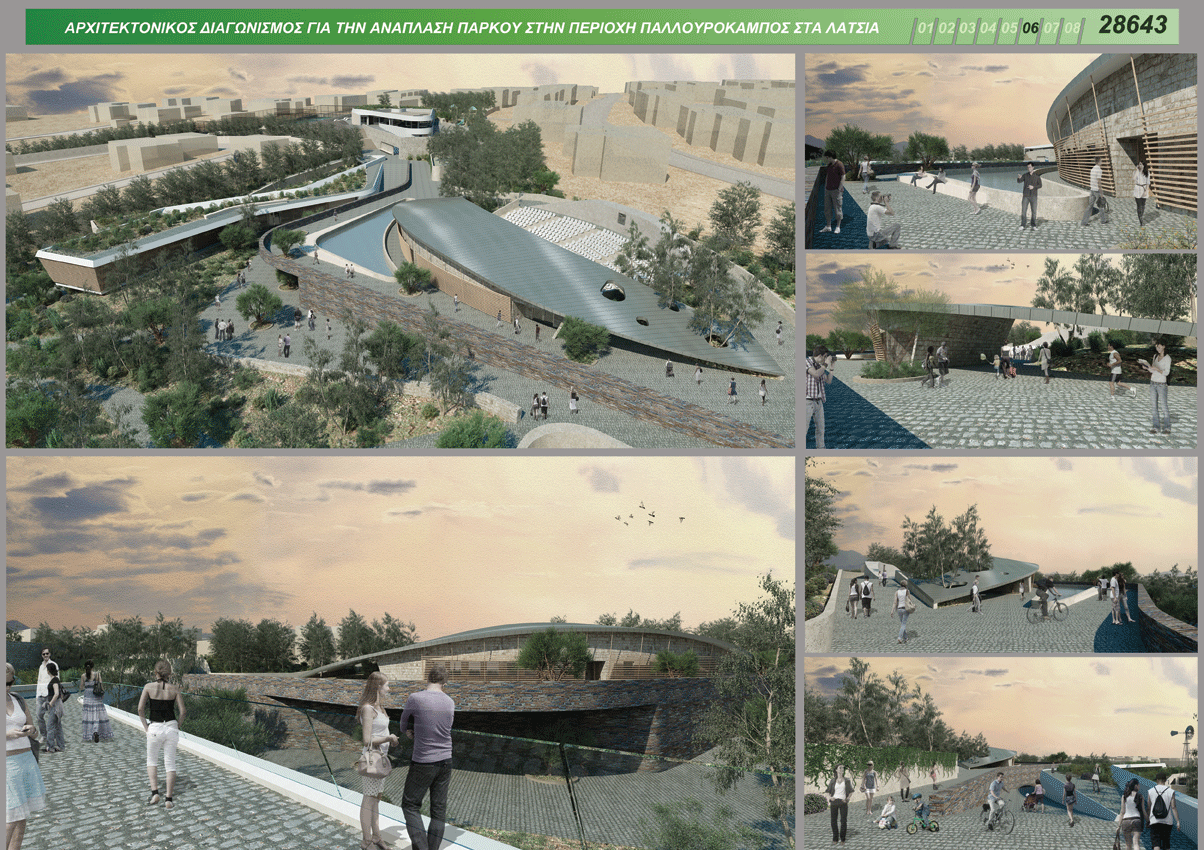
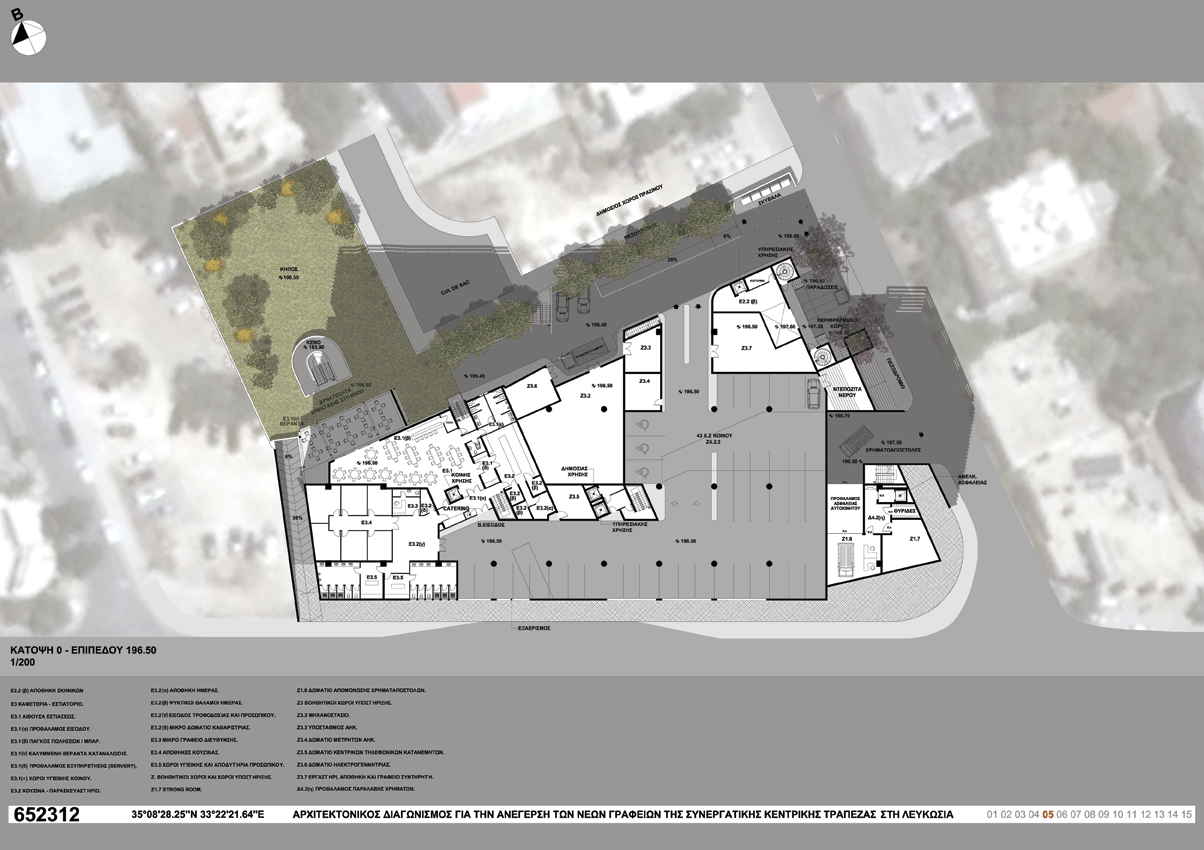
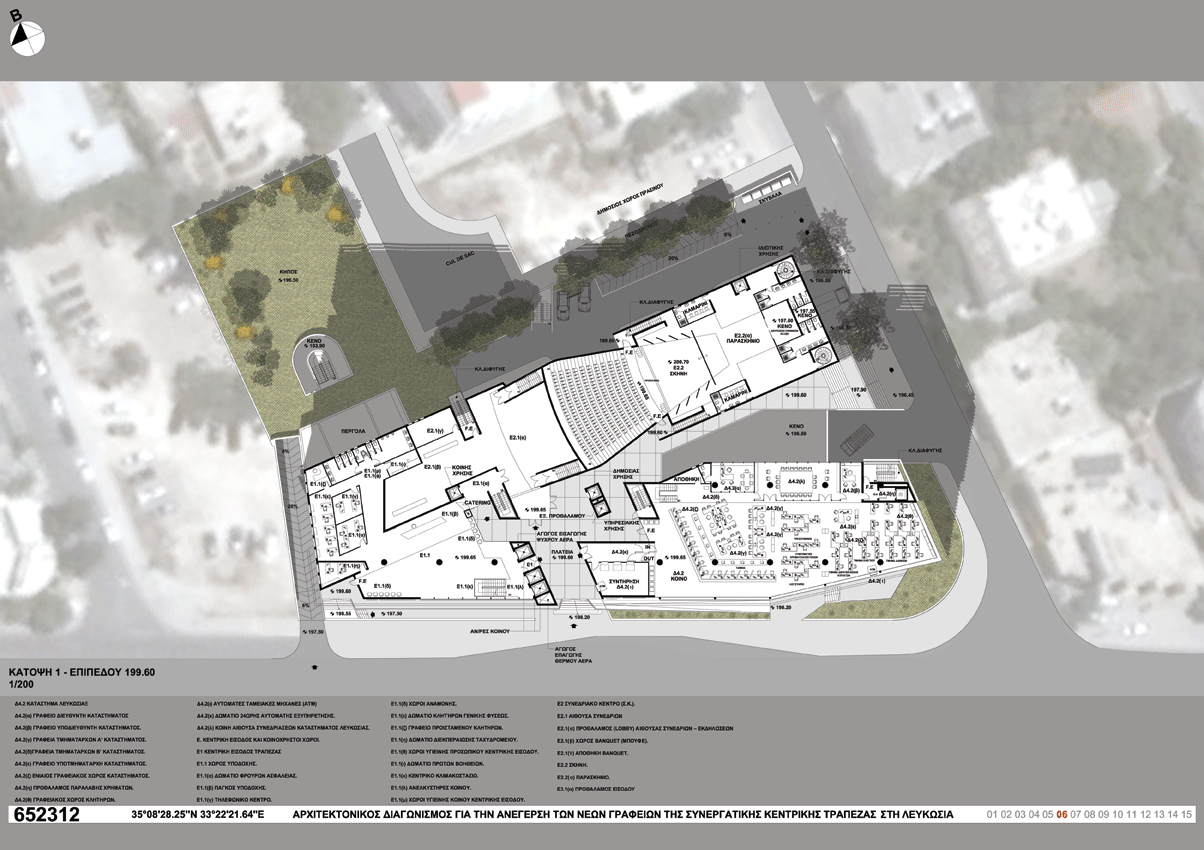
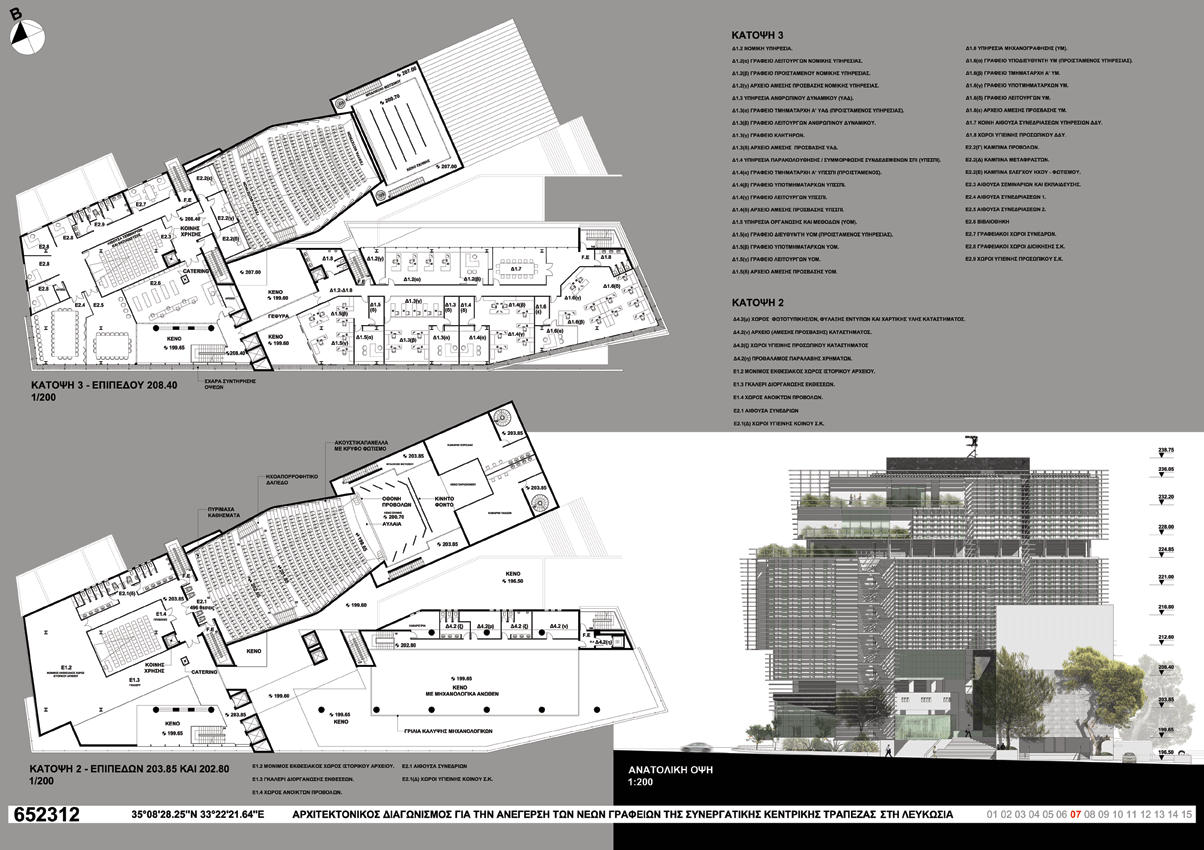
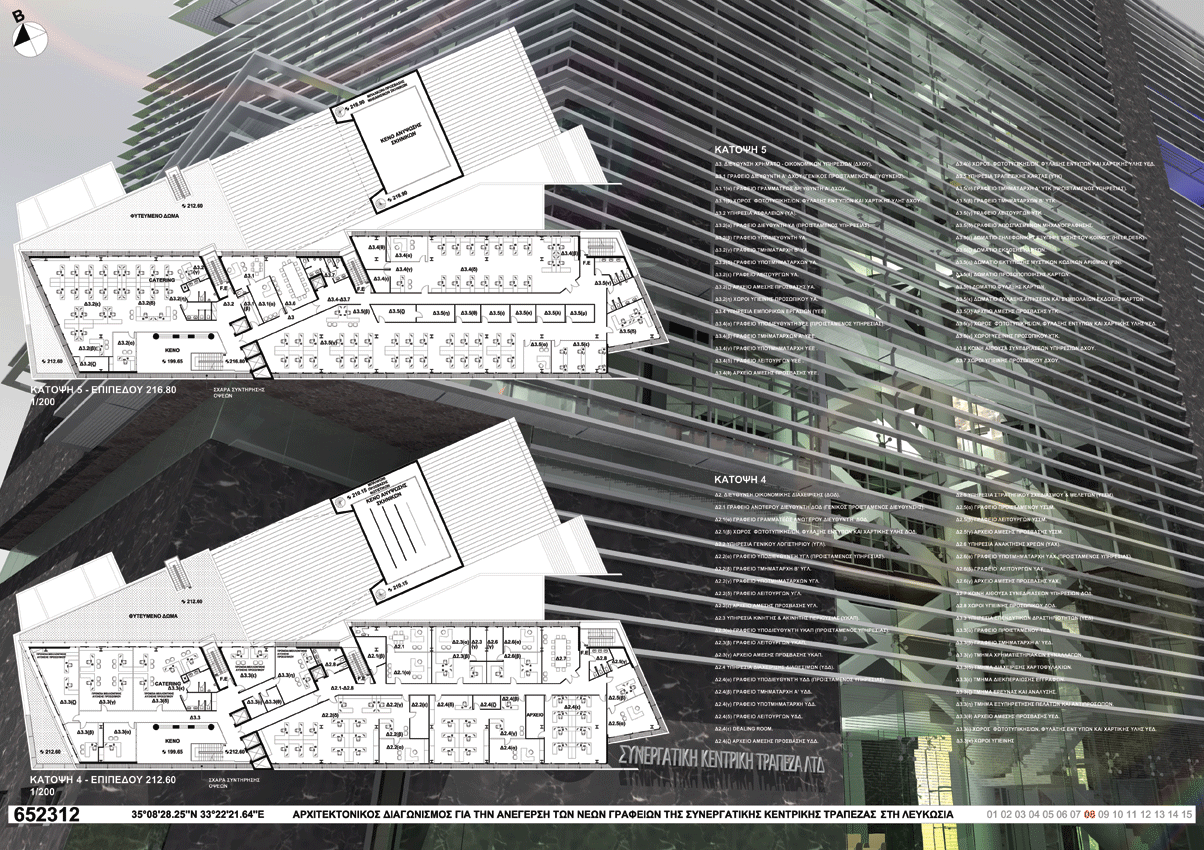
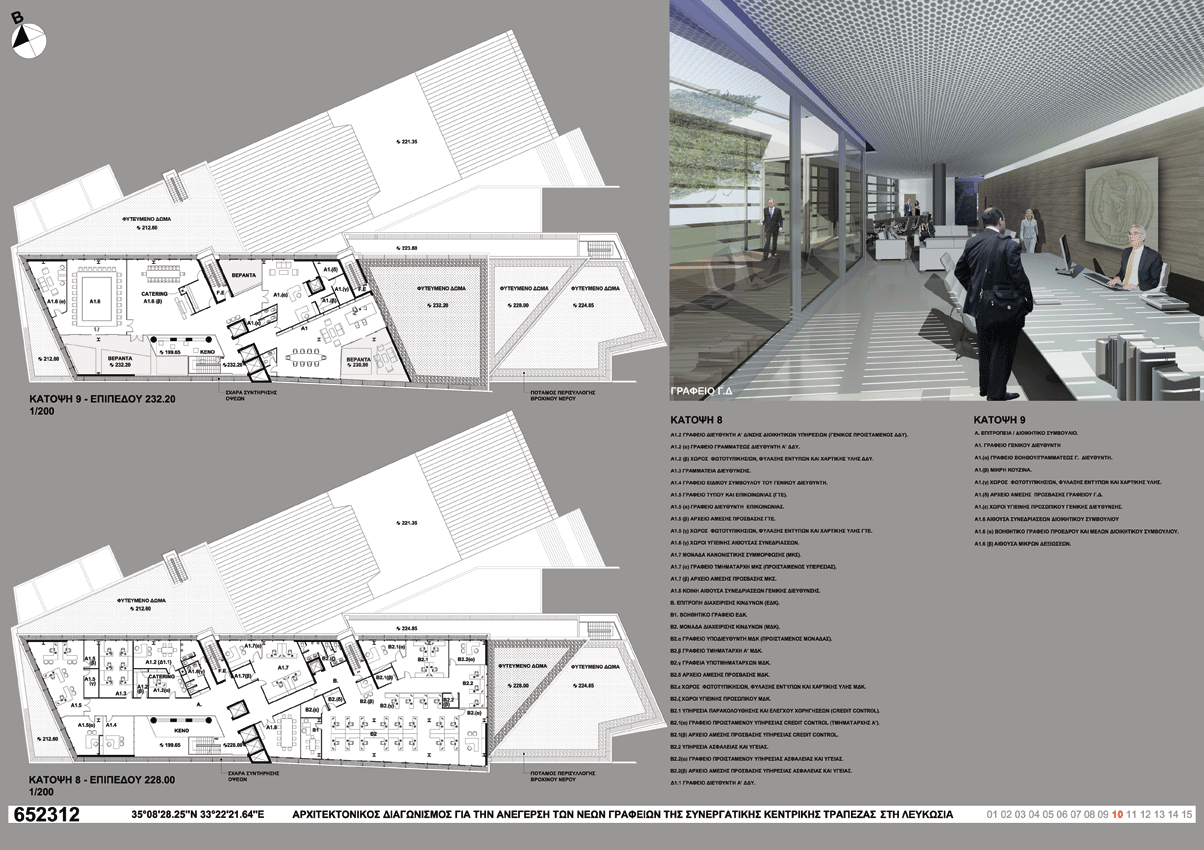
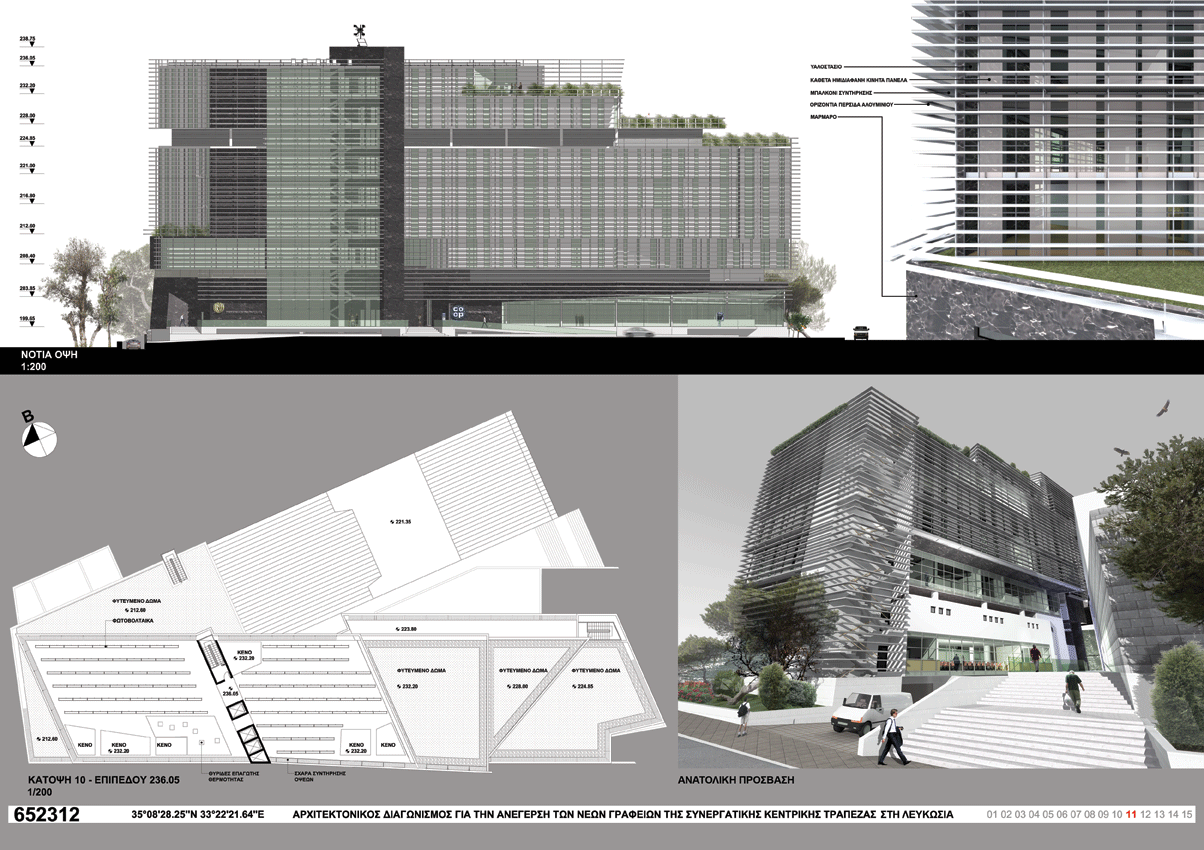
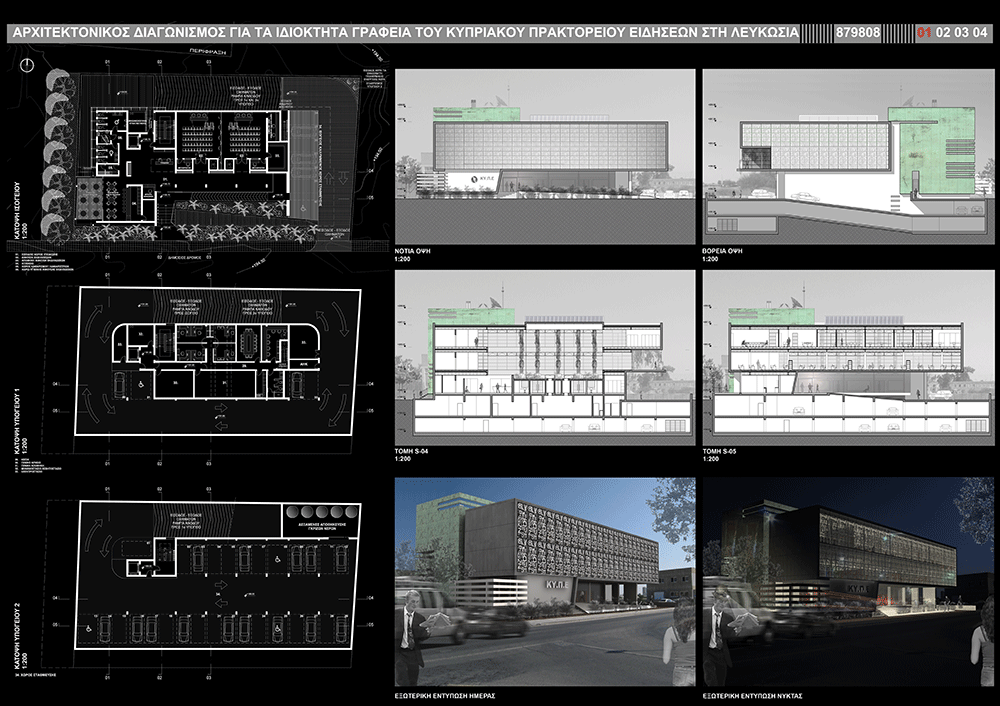
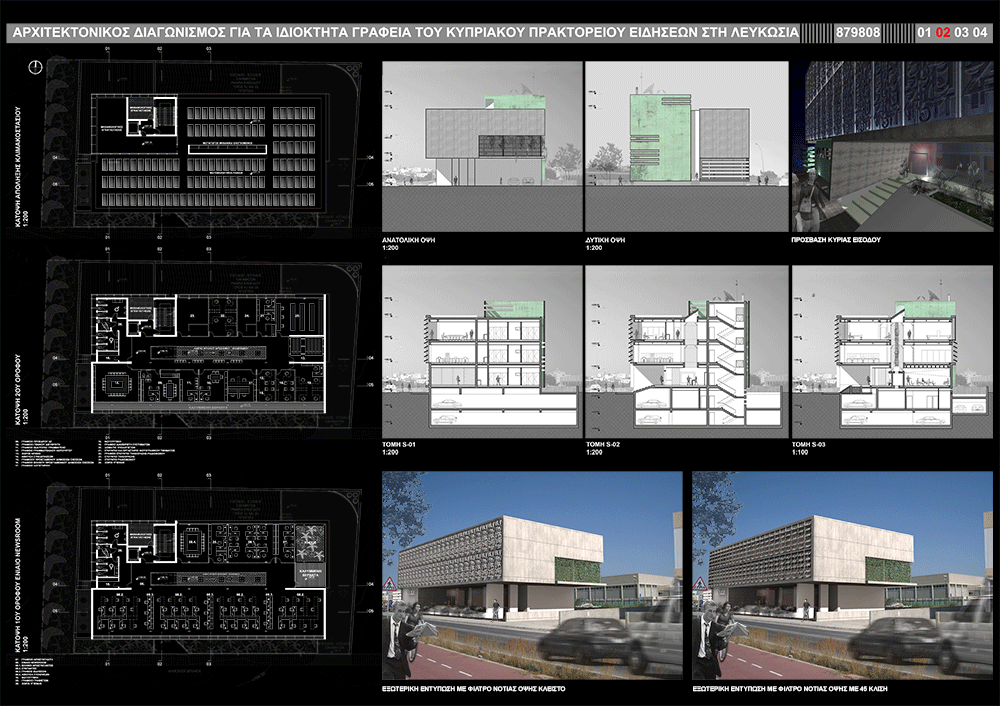
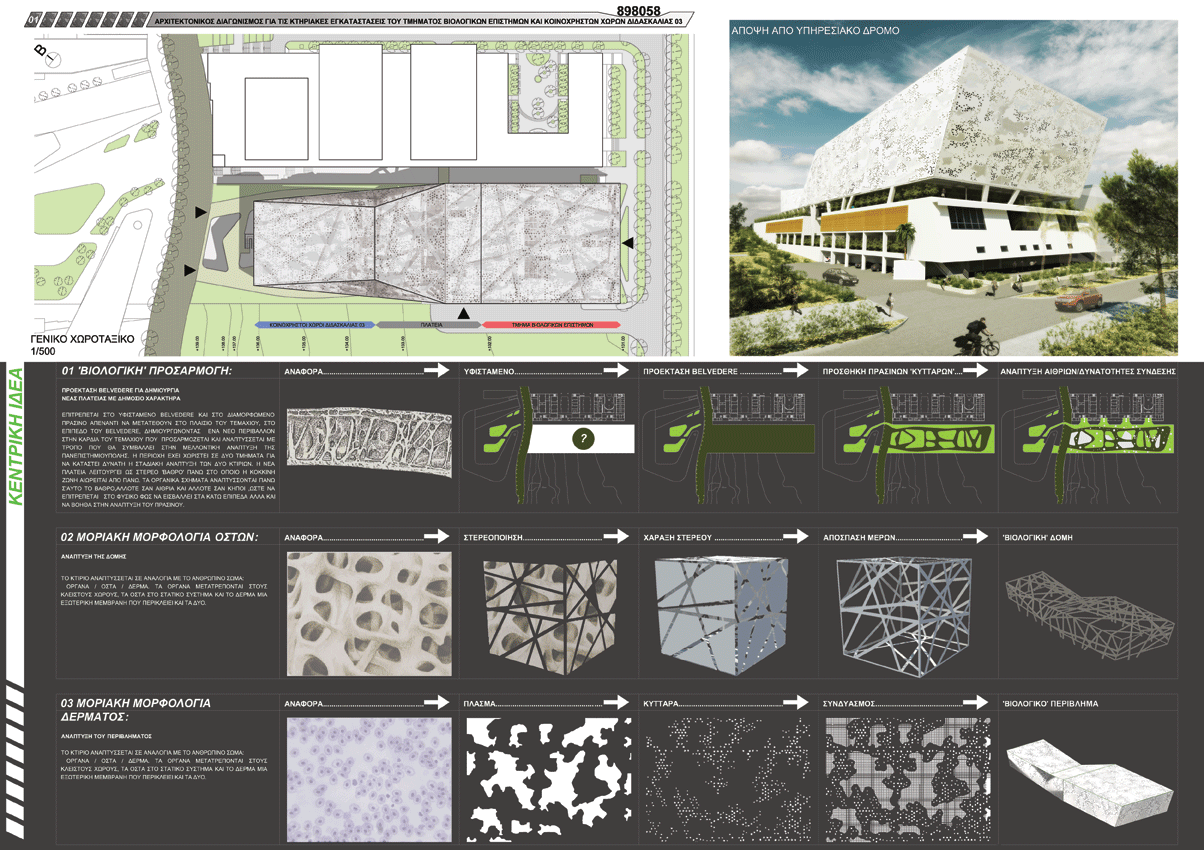
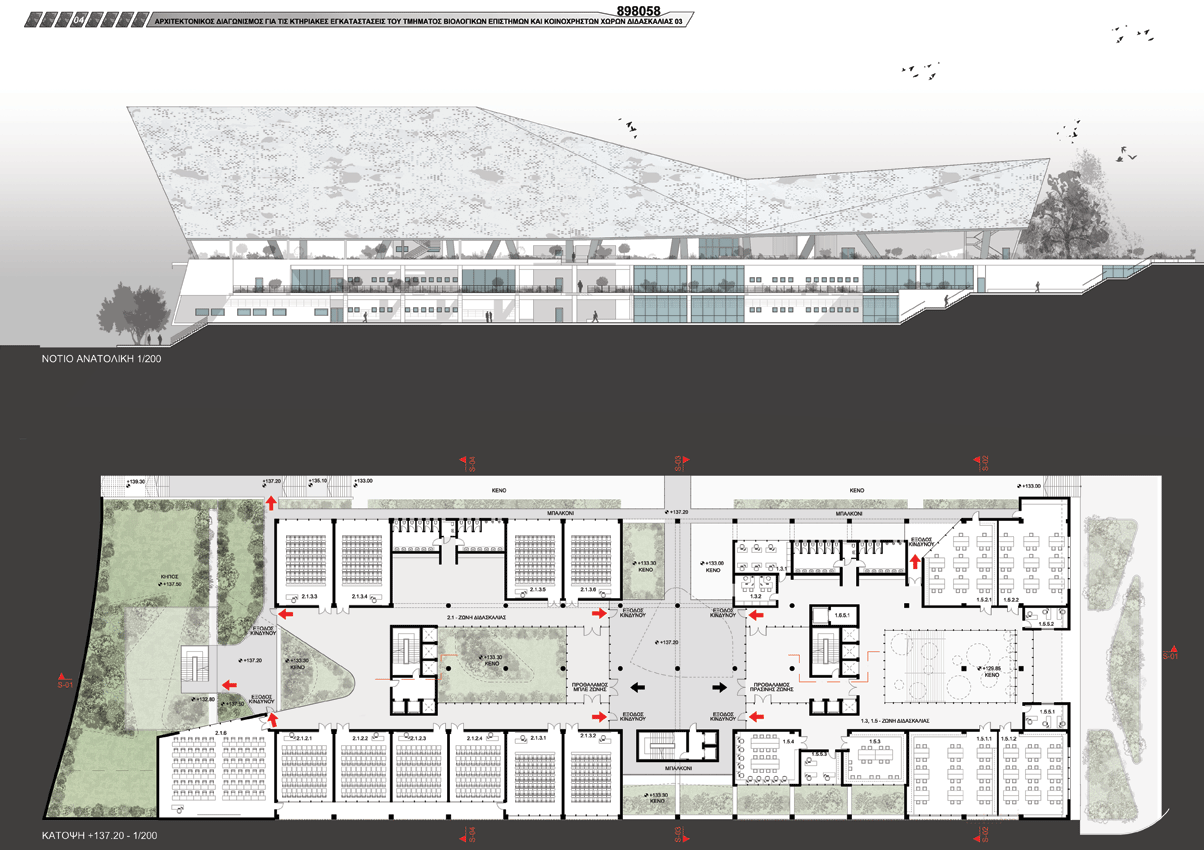
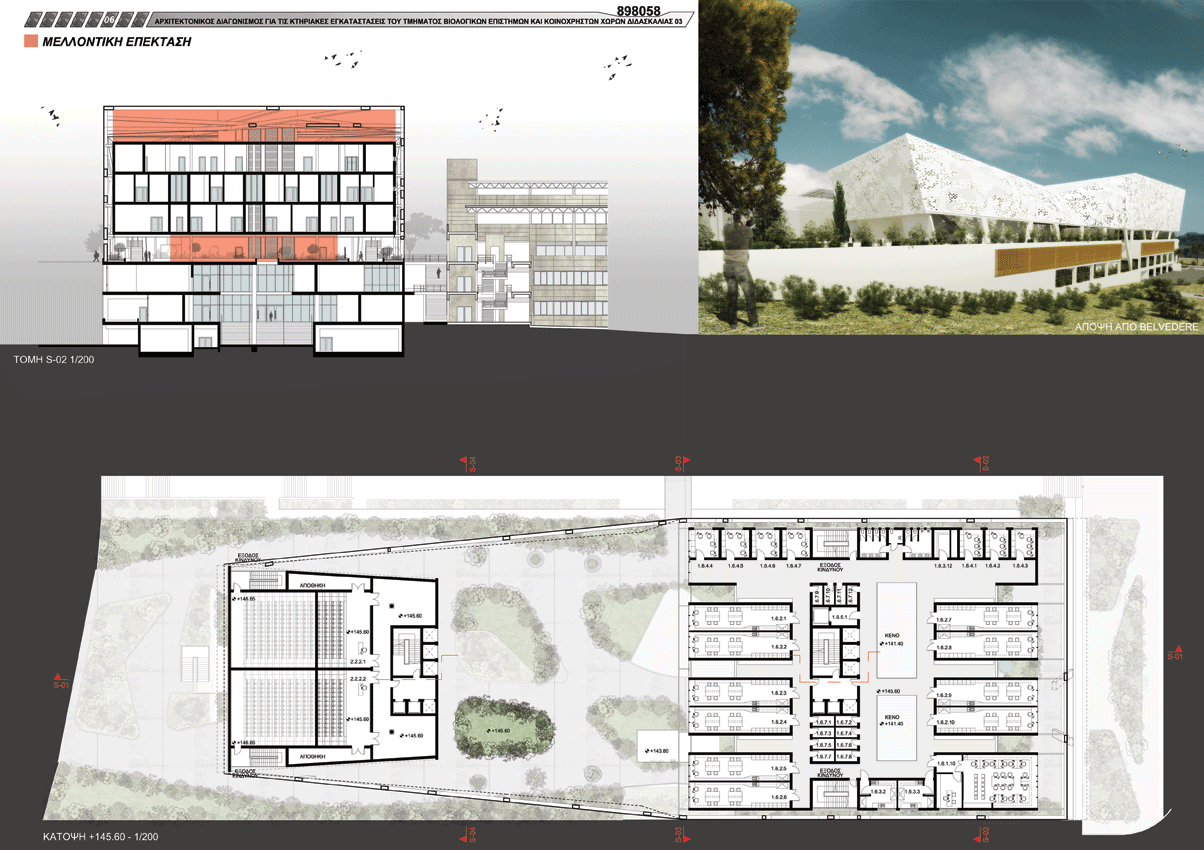
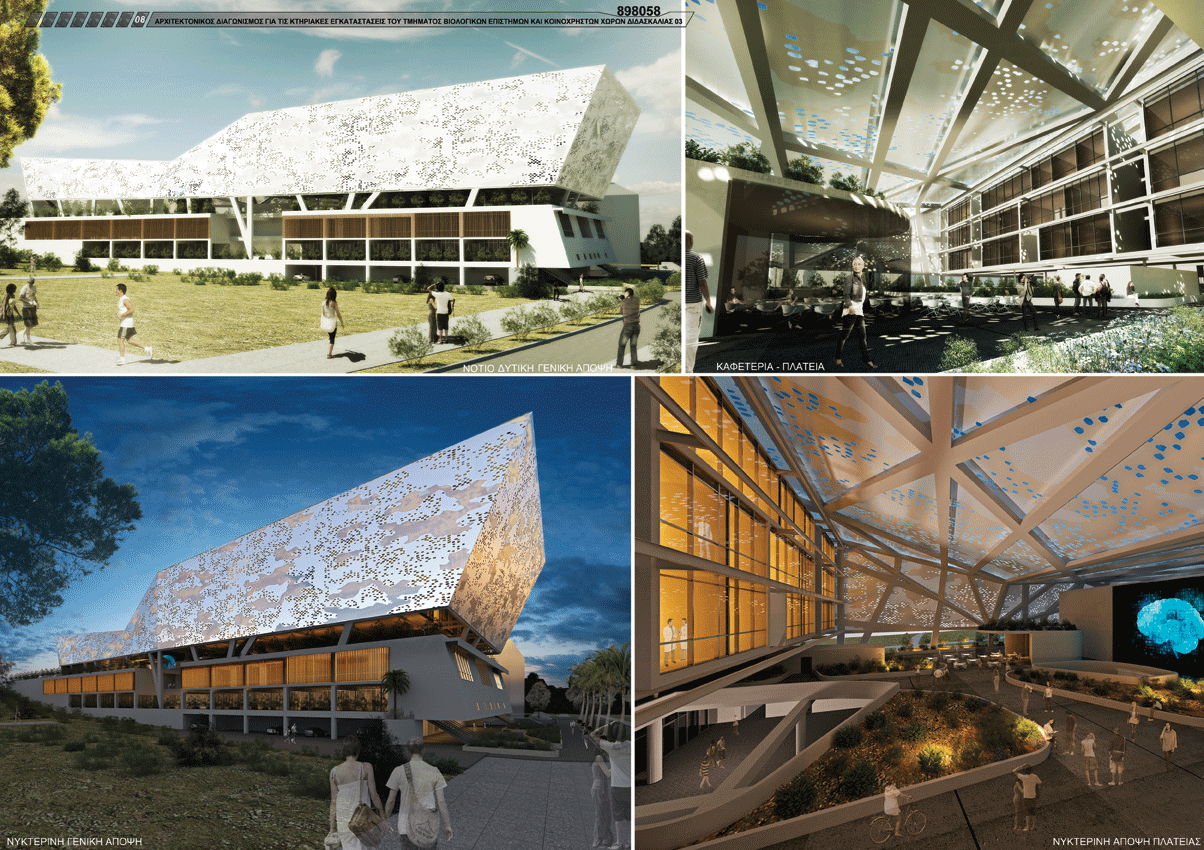
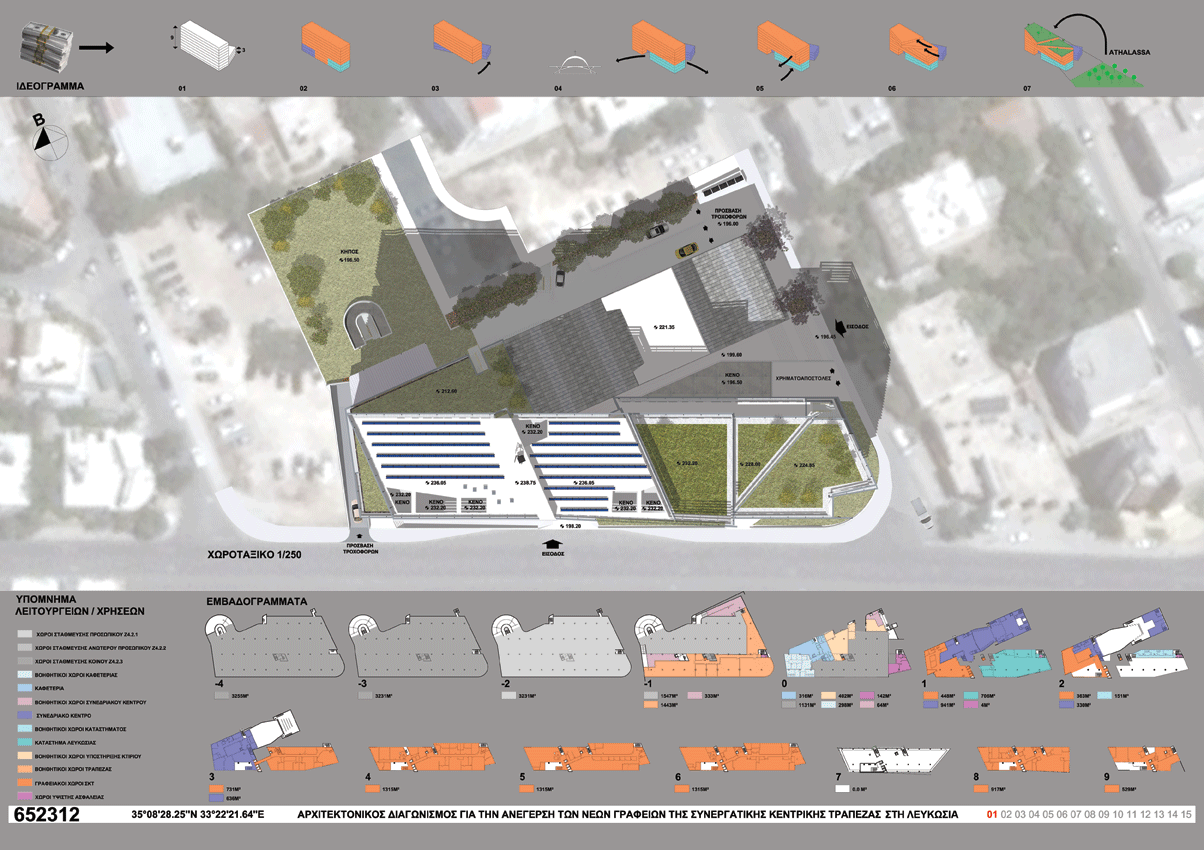
Κύριος στόχος της πρότασης είναι η εξεύρεση ενός σύγχρονου αρχιτεκτονικού λεξιλογίου του οποίου το συντακτικό να εδρεώνει το προτεινόμενο κτίριο μέσα στο σύνολο των υφισταμένων κτιριακών εγκαταστάσεων με ξεχωριστό «χαρακτήρα».
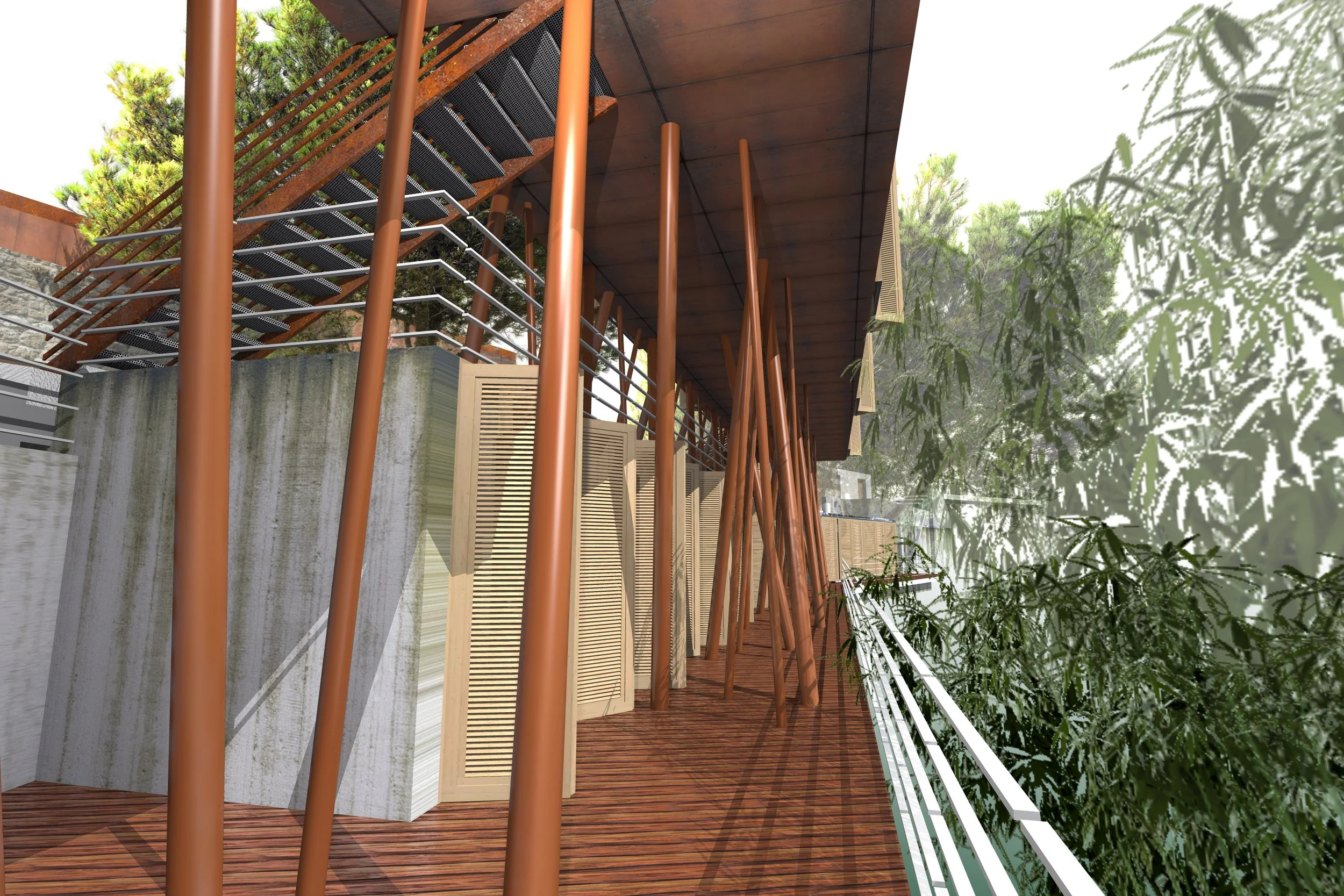
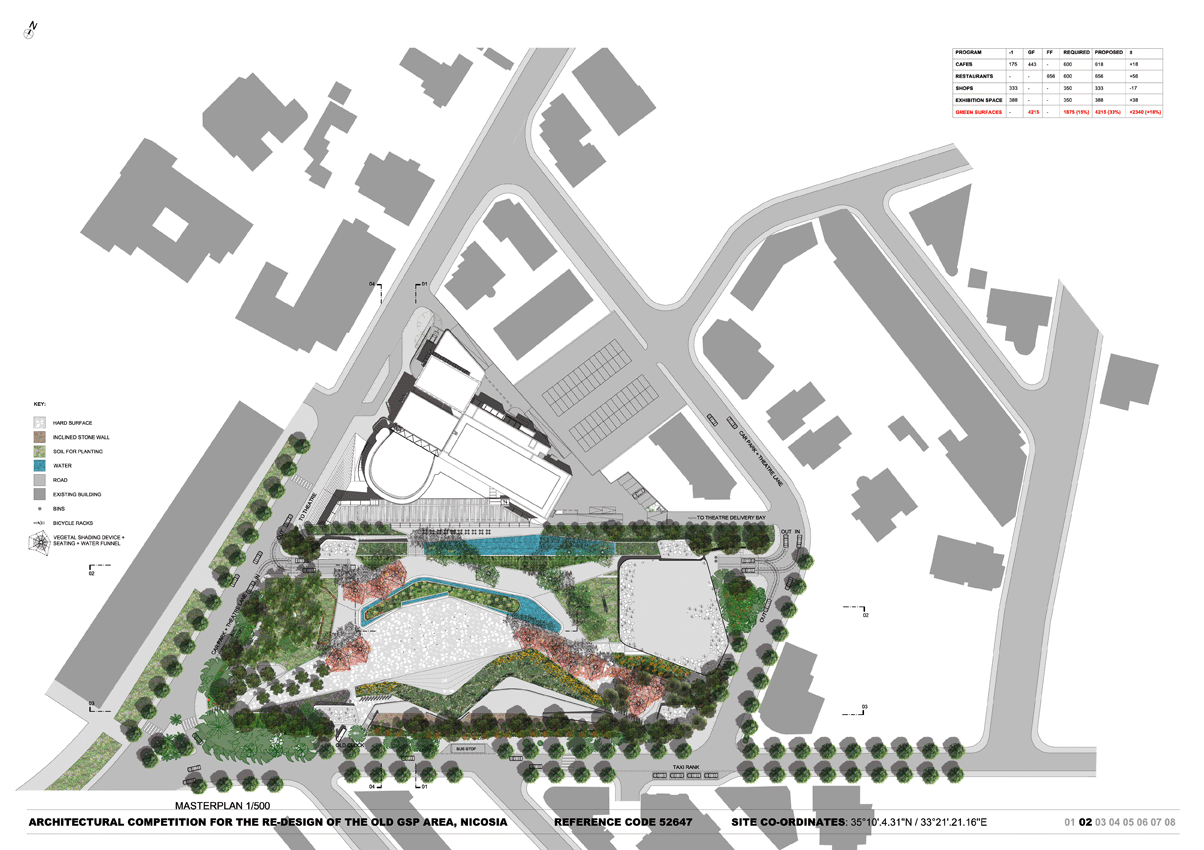
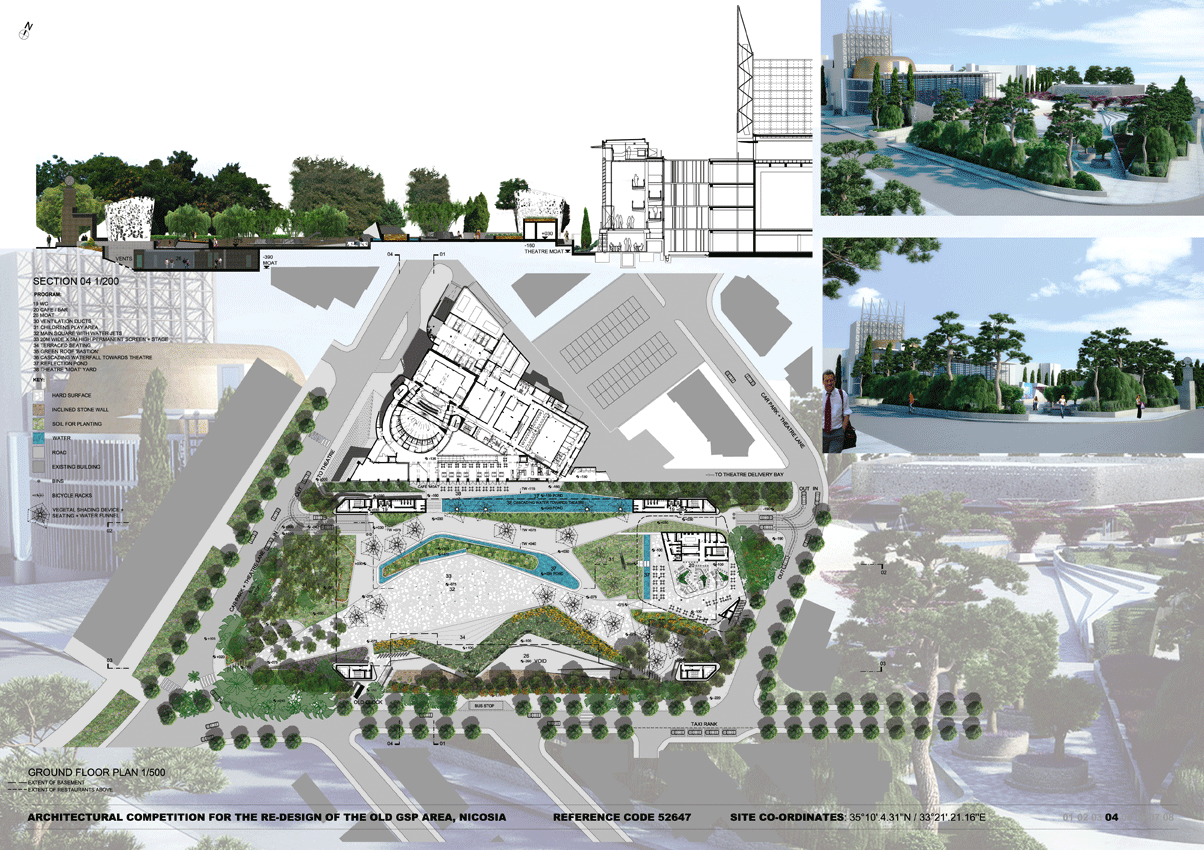
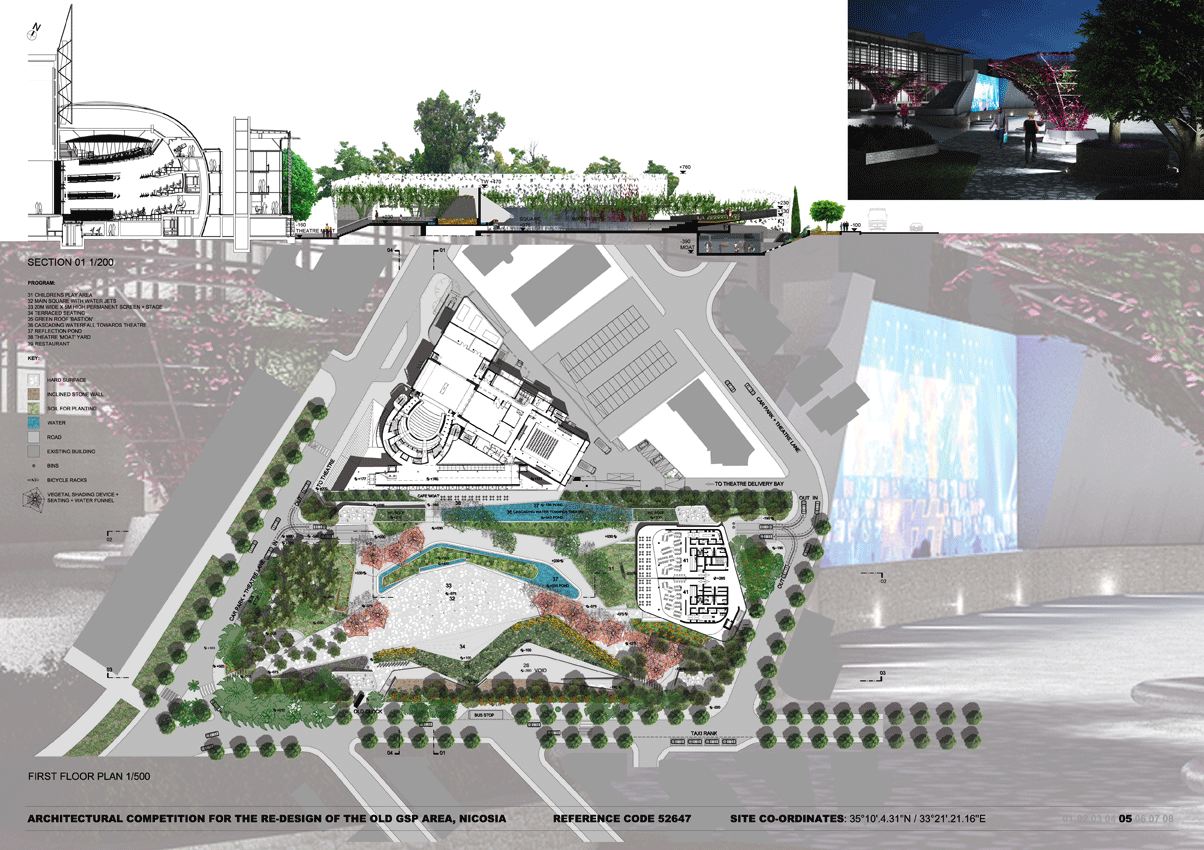
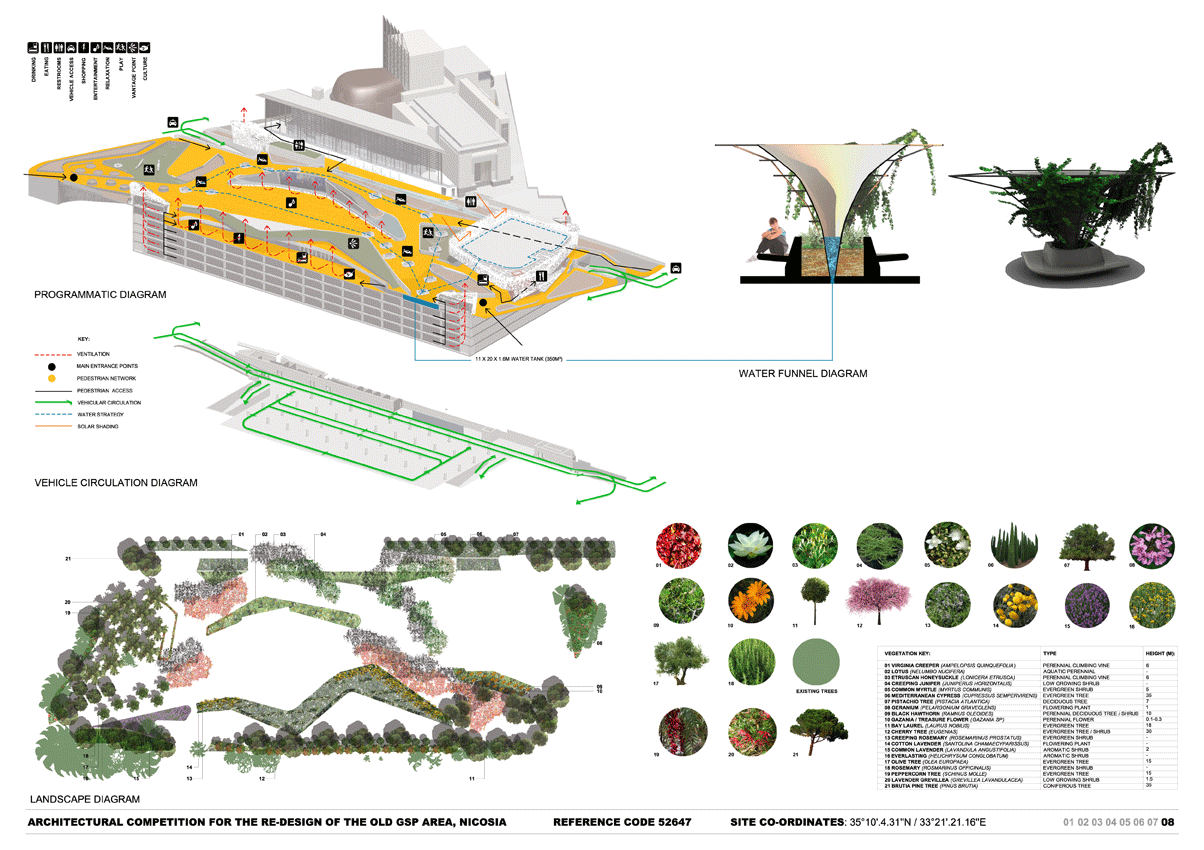
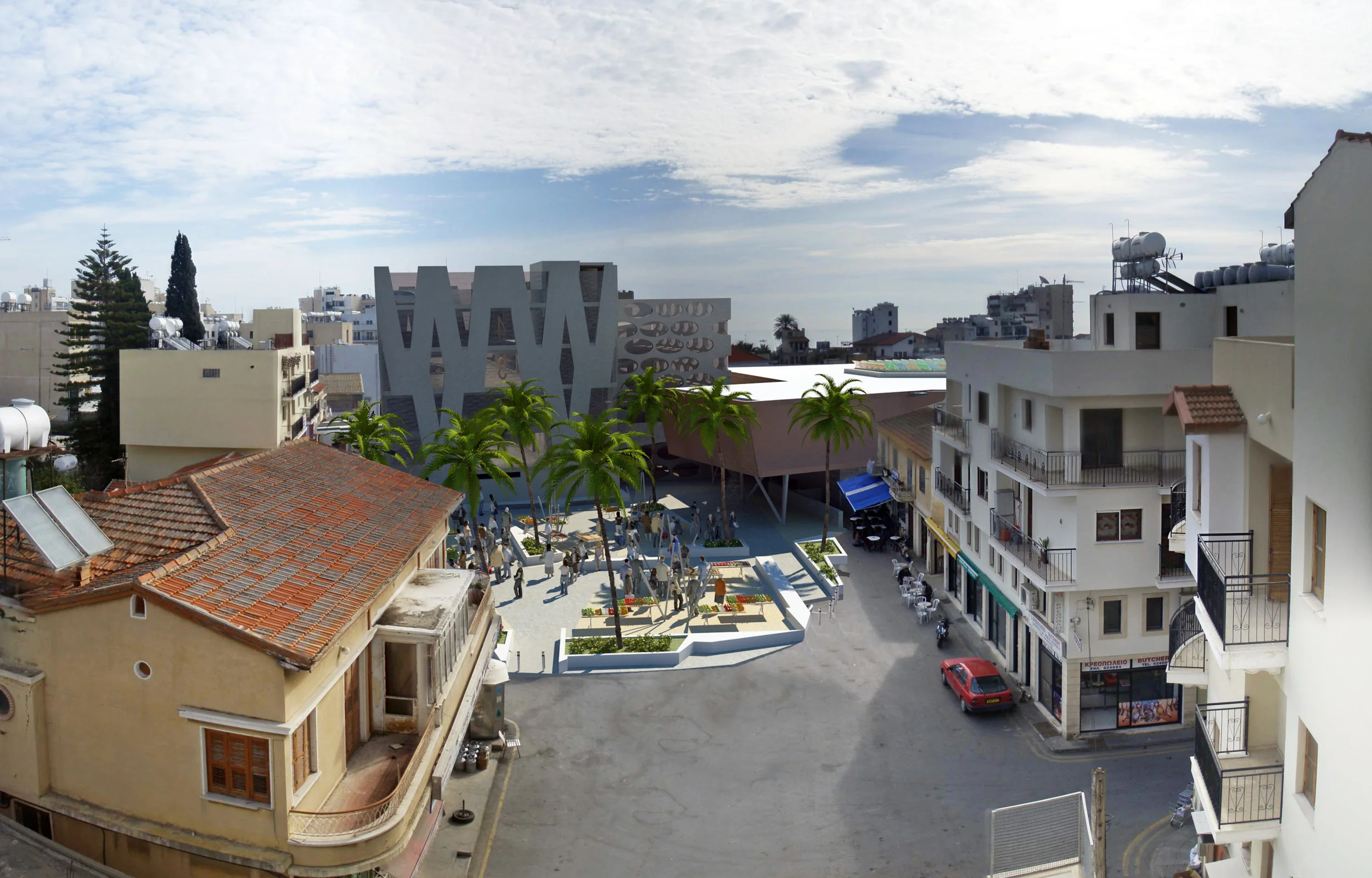
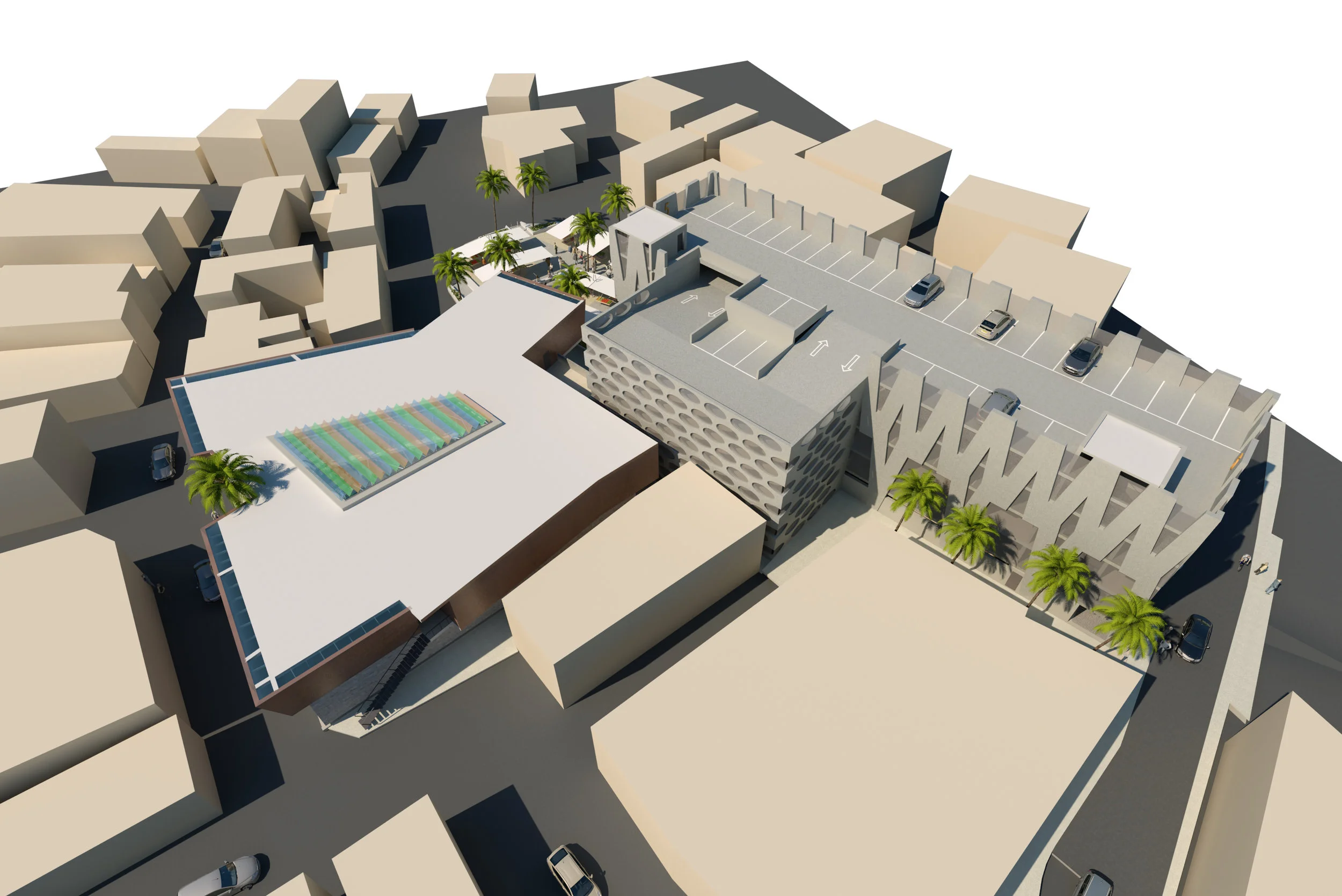
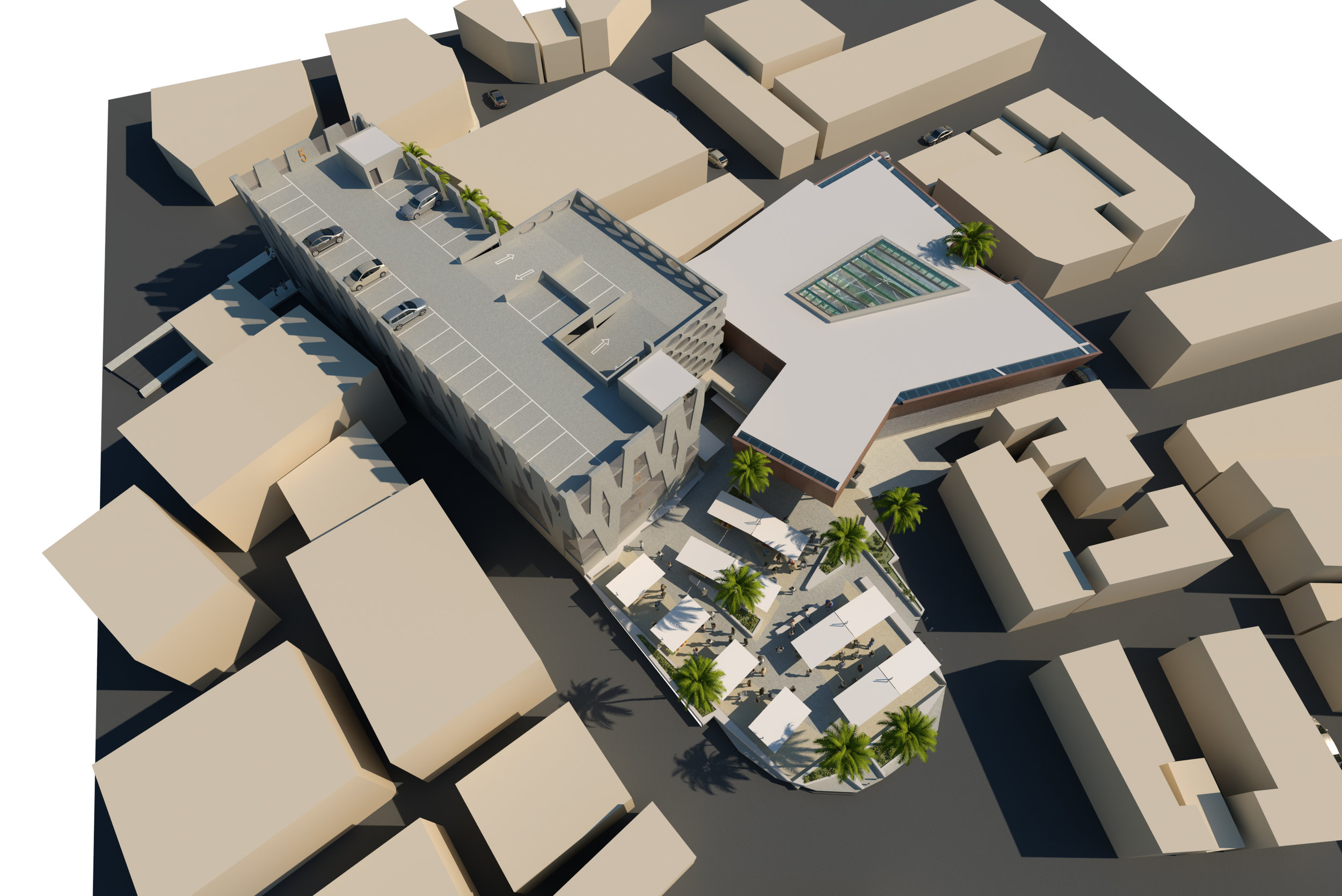
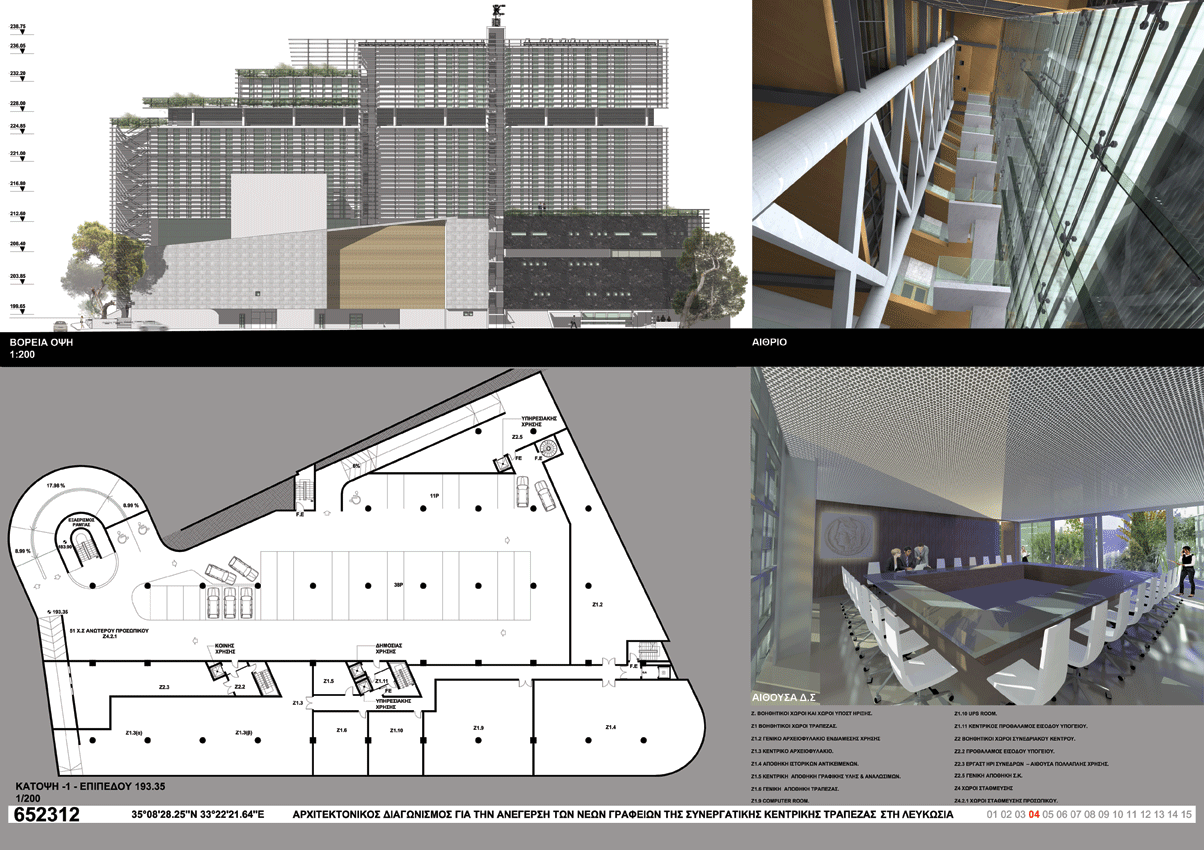
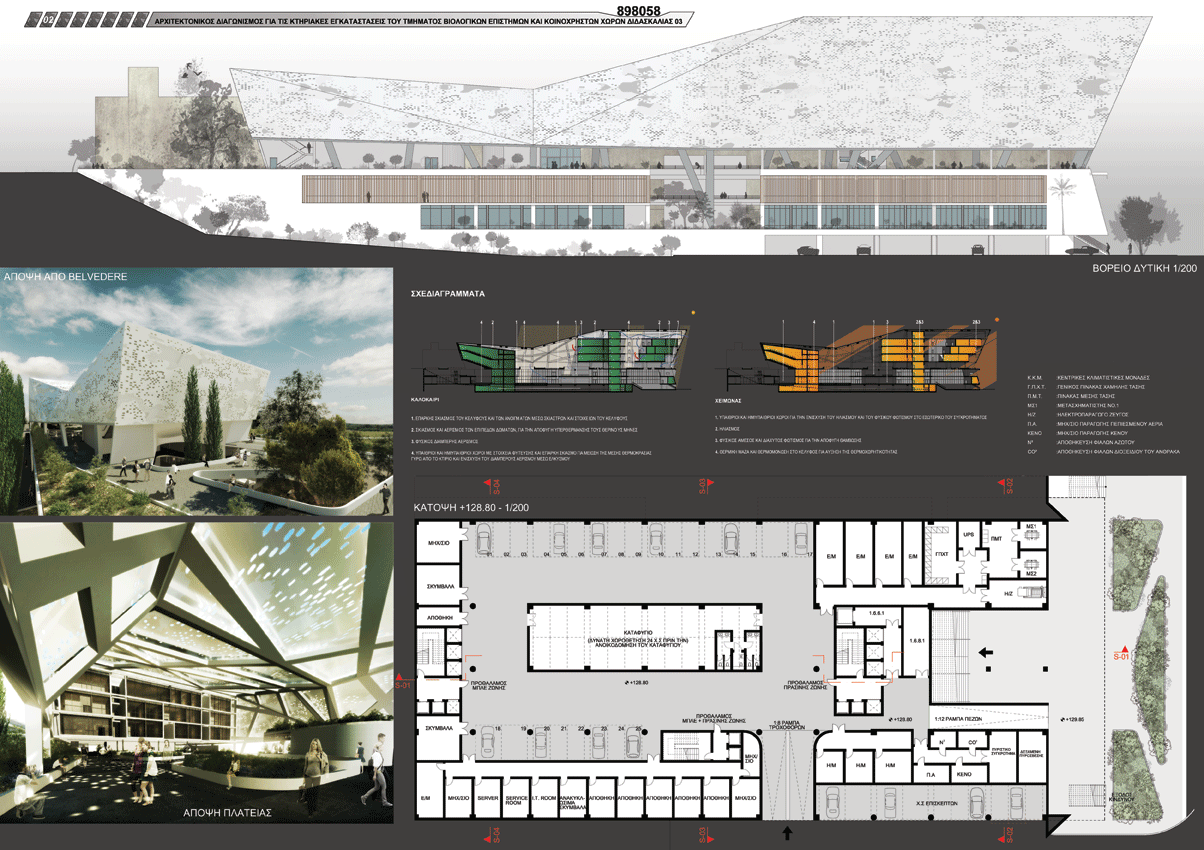
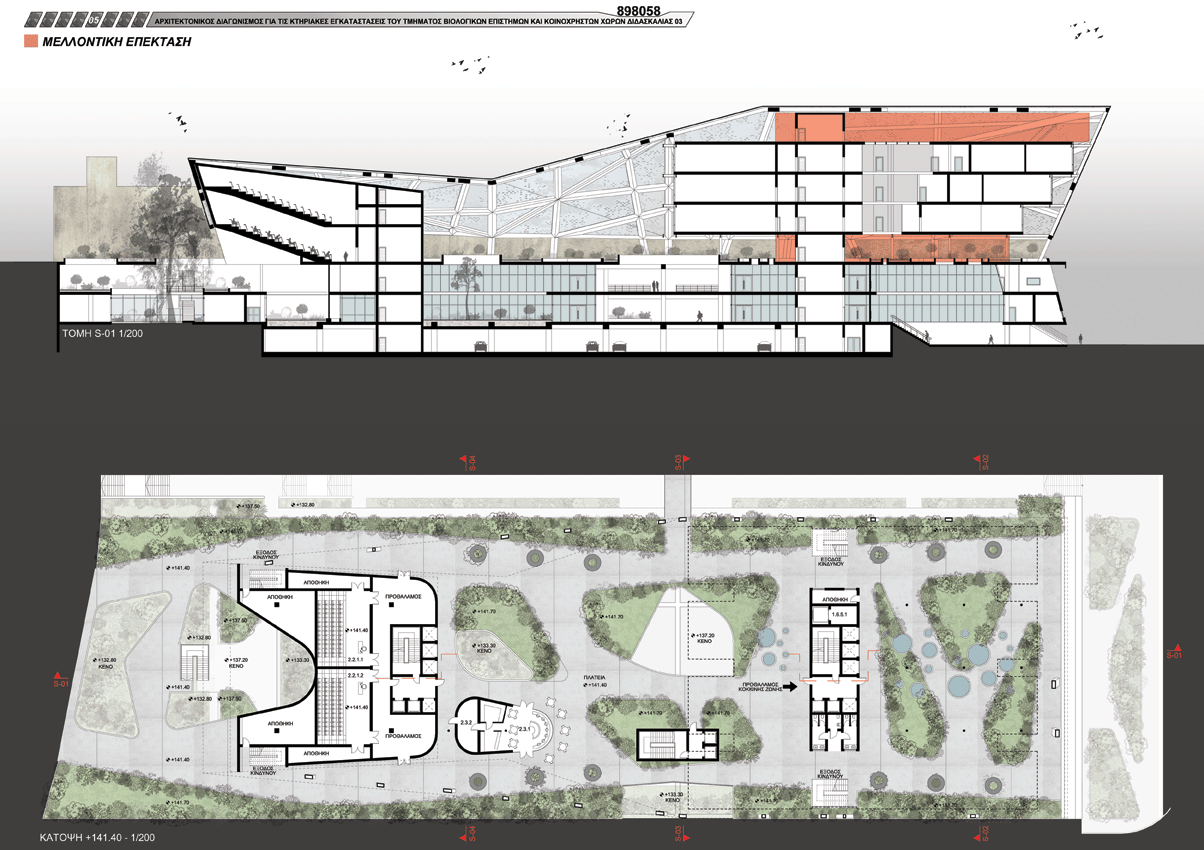
Η συνθετική δομή της πρότασης γεννιέται απο την πρόθεση προέκτασης του πλατειακού χώρου του απέναντι κτιρίου των Κοινωνικών Επιστημών σ’ένα μεγάλο μπαλκόνι πρόσβασης, χώρου συνάθροισης, κοινωνικής επαφής, μιά καλυμμένη πλατεία προστατευμένη απο τον ανελέητο ήλιο και παράλληλα ενισχύεται η υφισταμένη φτωχή χλωρίδα αφού γίνεται εκτεταμένη φύτευση όπου το επιτρέπει ο σχεδιασμός της πρότασης μας.
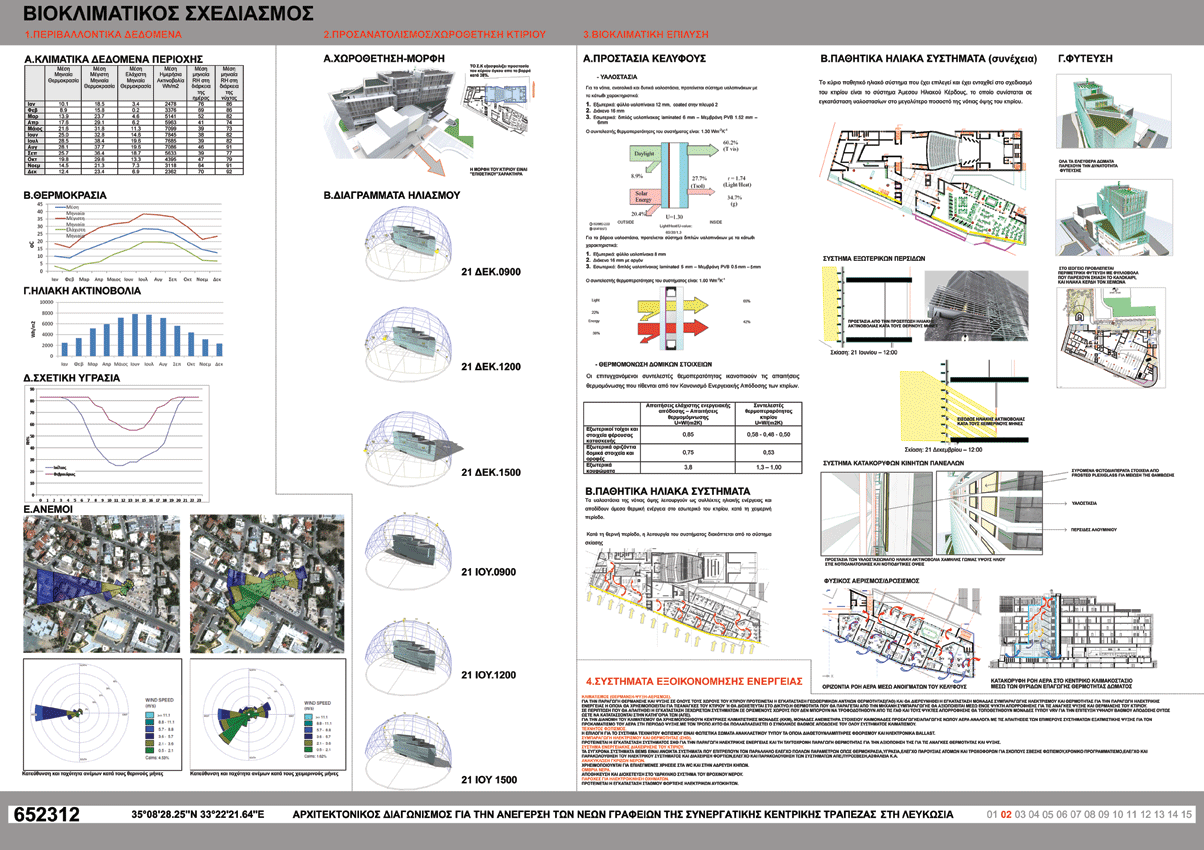
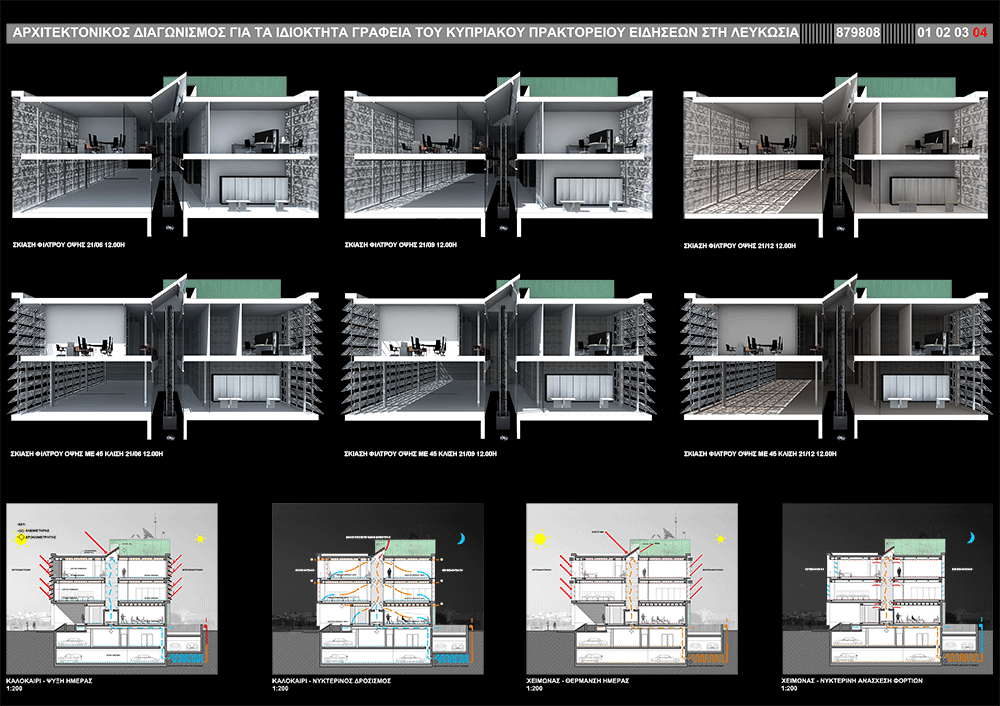
Δημιουργείται ένα μικροκλίμα το οποίο υποβοηθά τον φυσικό δροσισμό των εσωτερικών χώρων.
Εμπλουτίζεται και αναβαθμίζεται το φυσικό περιβάλλον λαμβάνοντας υπόψιν το ευρύτερο πλαίσιο τοπιοτέχνησης αφού στη πρόταση εξασφαλίζονται πολλαπλοί χώροι πρασίνου σε διαφορετικά επίπεδα, μέσα και έξω.
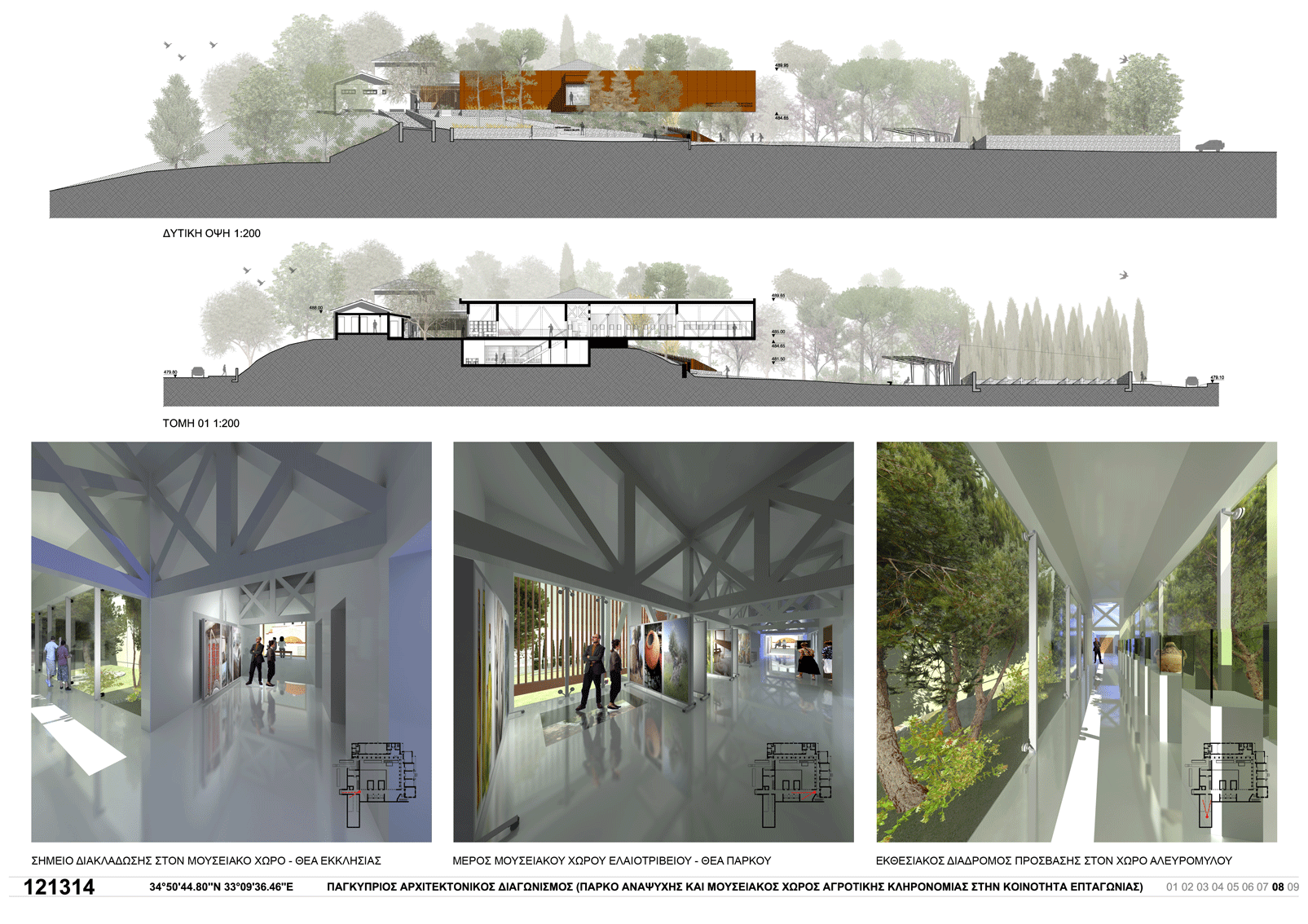
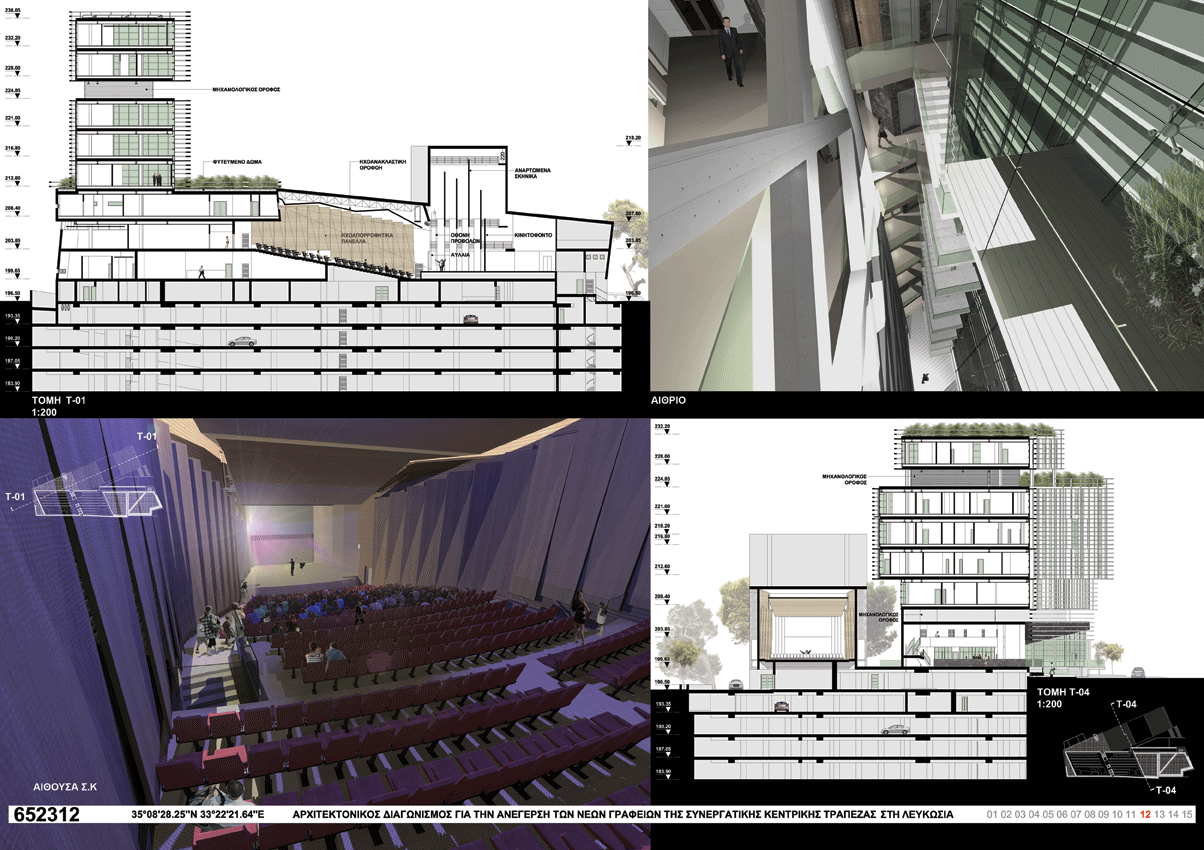
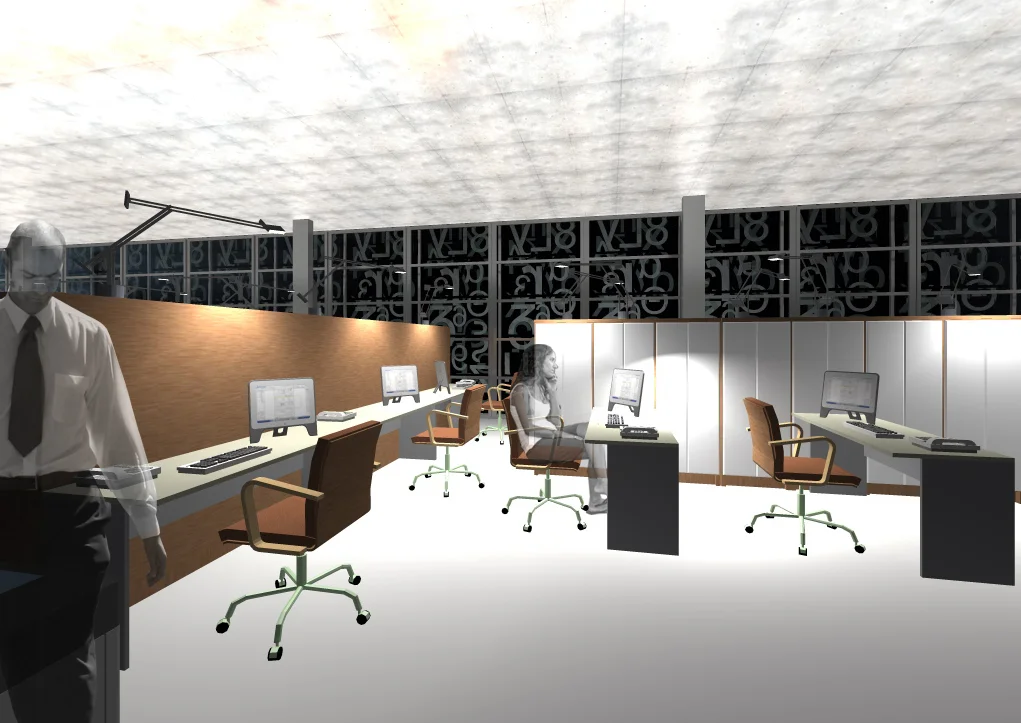
Η χωρική διαχείριση της ταυτόχρονης παρουσίας πολλών ατόμων επιτυγχάνεται με την δημιουργία πολλών και διαφορετικών εσωτερικών καθώς και ημιυπαίθριων χώρων συνάντησης και συνάθροισης των χρηστών.
Concept: A “Biological Canopy” as Architecture
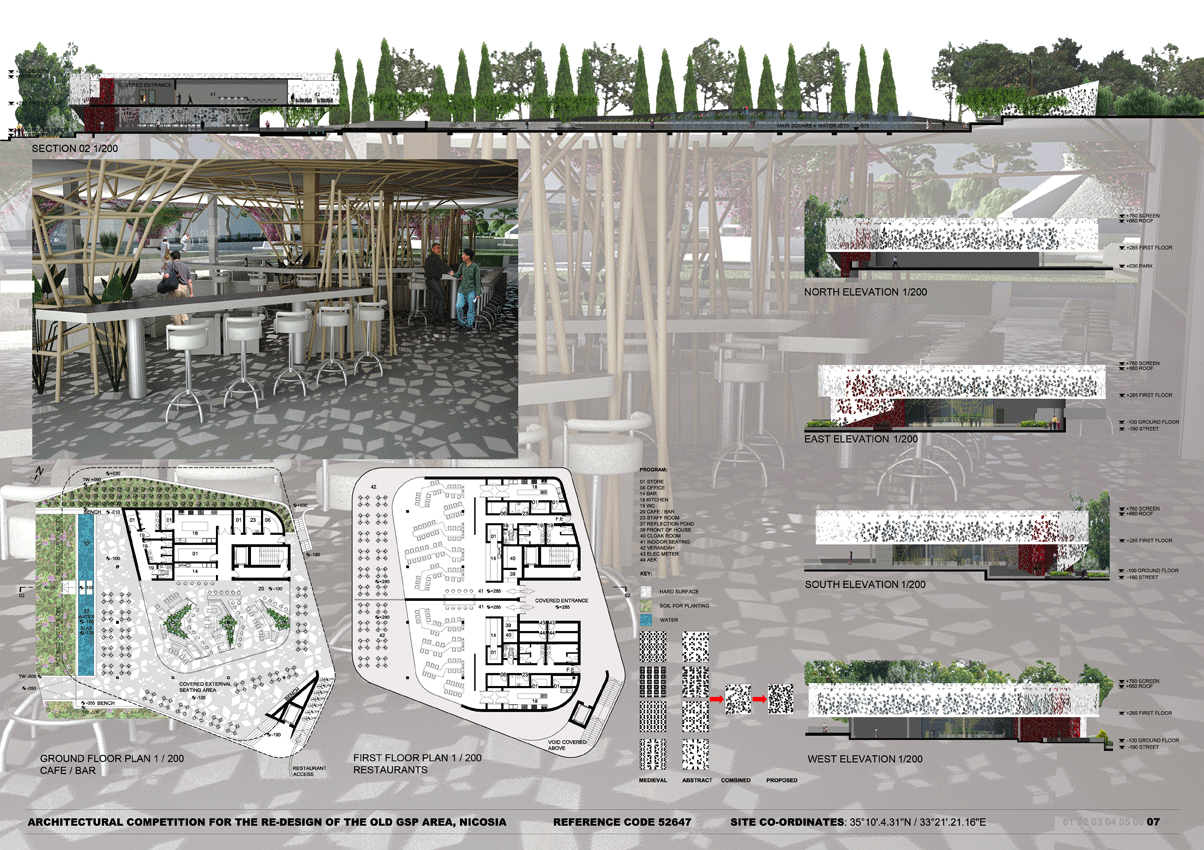
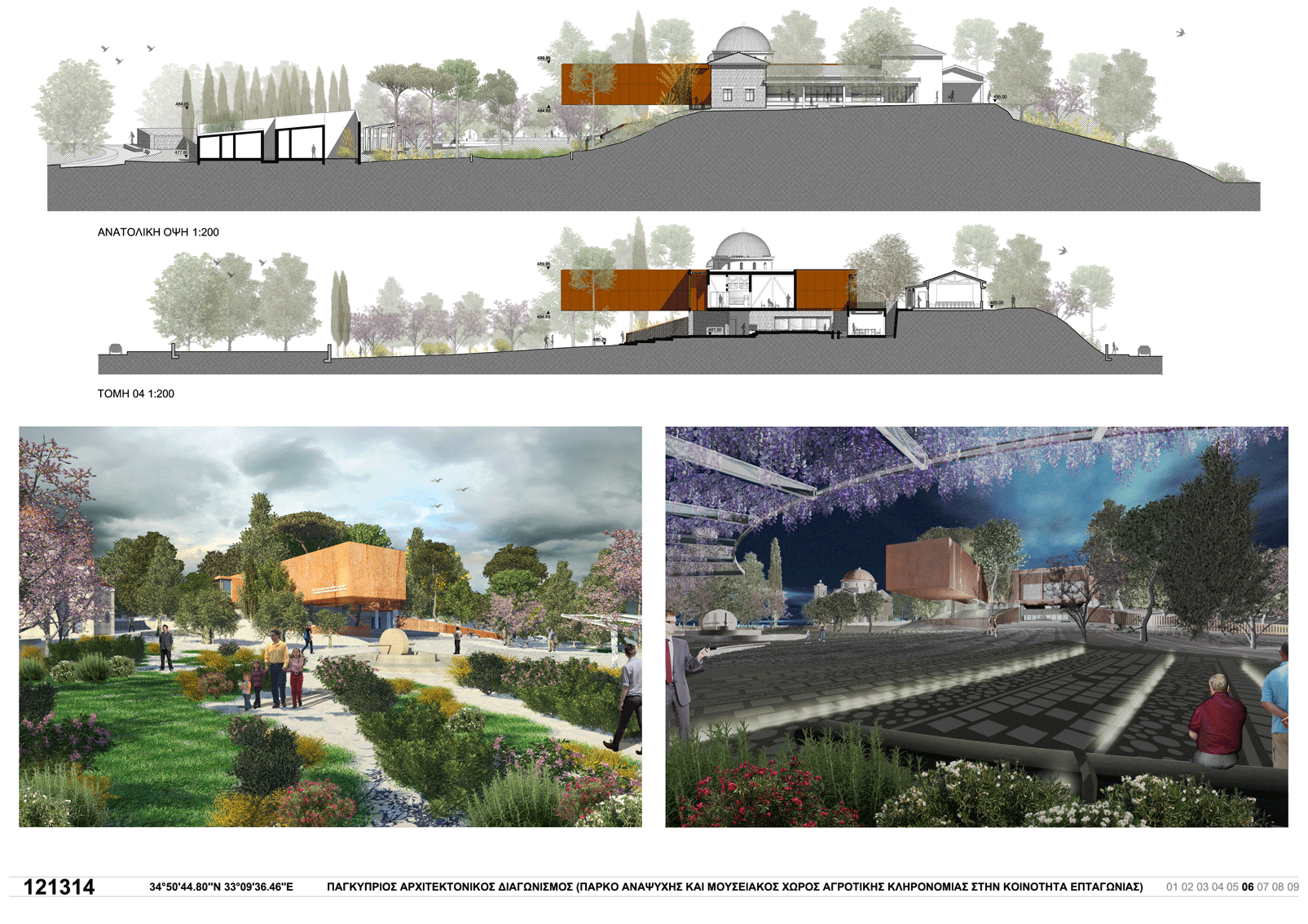
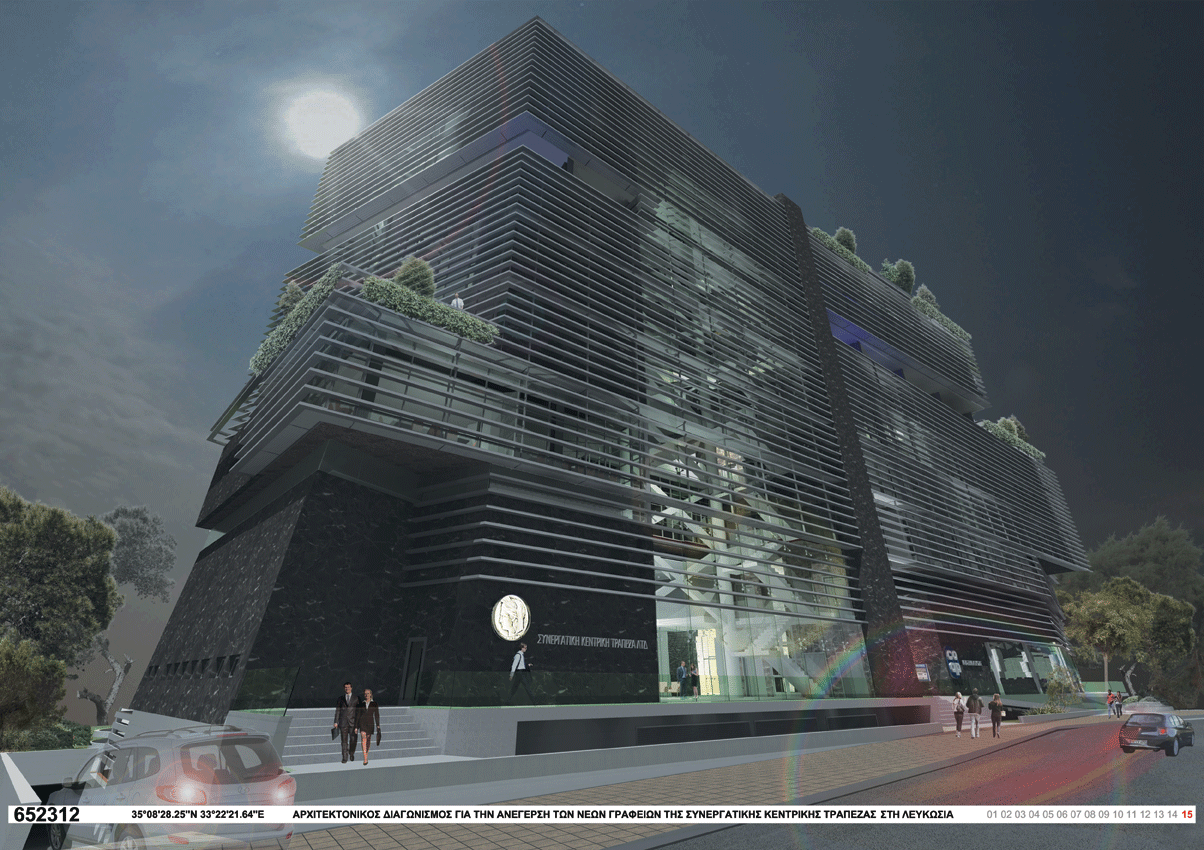
The project appears to be conceived as a large, protective, and permeable canopy—a sculpted upper volume enveloped in a perforated skin—symbolizing the living membrane of biological organisms. This “canopy-organism” hovers above a robust base that houses the academic and laboratory functions of the Biology Department. Its geometry and porosity evoke processes central to biology: filtering, adaptation, mutation, and environmental responsiveness.
The perforated cladding behaves almost like cell tissue viewed under a microscope, where voids and solids create dynamic patterns of light and shade. This symbolic “skin” becomes both an identity marker for the department and a passive environmental device.
The project thus communicates the idea that the exterior of a biological organism is not a static shell but a dynamic interface between inner life and outer environment.
The Building as a Living System
+ Layered Environmental Mediation
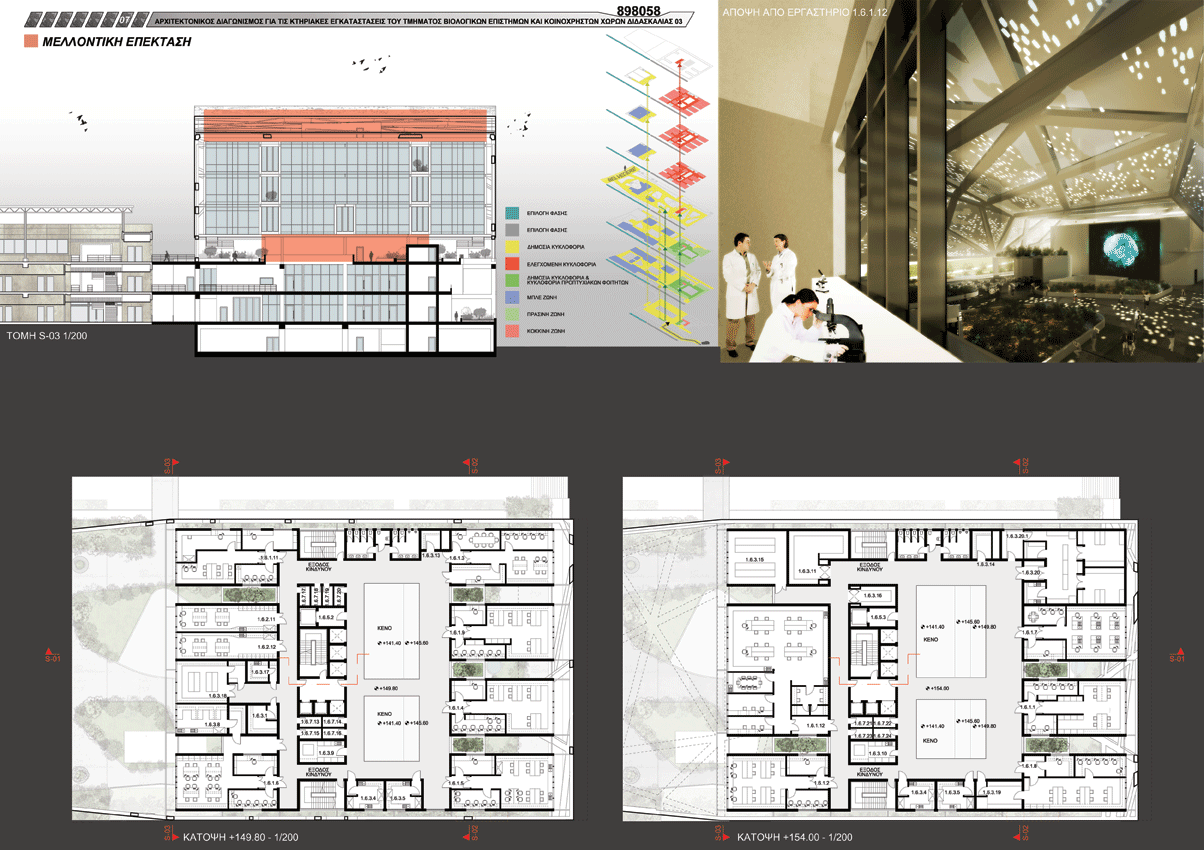
The design applies the idea that a building—like an organism—mediates between internal and external conditions. The perforated envelope filters sunlight by day, glowing as a lantern by night.
The covered internal plaza/courtyard shows a continuation of this logic: a secondary “interior exterior” space where microclimate, social life, and circulation intertwine.
This embodies a theoretical stance aligned with bioclimatic architecture, where form and environmental performance are inseparable.
+ Porosity and Adaptation
The façade’s irregular perforations reflect concepts in contemporary architecture that draw from complexity theory and biological morphogenesis. Rather than a uniform envelope, the building exhibits differentiated porosity—like adaptive biological tissue that responds to needs such as:
+ light filtration
+ ventilation
+ visual permeability
+ shading requirements
This parallels theoretical approaches inspired by nature’s logic, where pattern emerges from function rather than decoration.
+ A Social and Academic Ecosystem
The internal courtyard, cafeteria plaza, and terraced spaces cultivate a social ecosystem mirroring biological interdependence. Circulation paths intersect like branching systems—root networks or vascular structures—creating a dynamic “habitat” for students, researchers, and visitors.
This spatial organization echoes theories of relational architecture: spaces designed to encourage interaction, interdisciplinary exchange, and communal identity.
+ The Floating Volume as Symbol
The lifted, slightly cantilevered upper mass conveys:
+ lightness despite scale
+ forward-looking ambition
+ innovation and precision aligned with scientific research
The contrast between the grounded lower volumes and the floating upper “organism” expresses a duality: solid foundation + elevated research.
This aligns with architectural narratives where symbolic form expresses the mission of an institution.
The building acts not merely as an academic facility but as an experiential demonstration of biological principles—a living membrane, a dynamic ecosystem, and a sculpted organism in the landscape.